



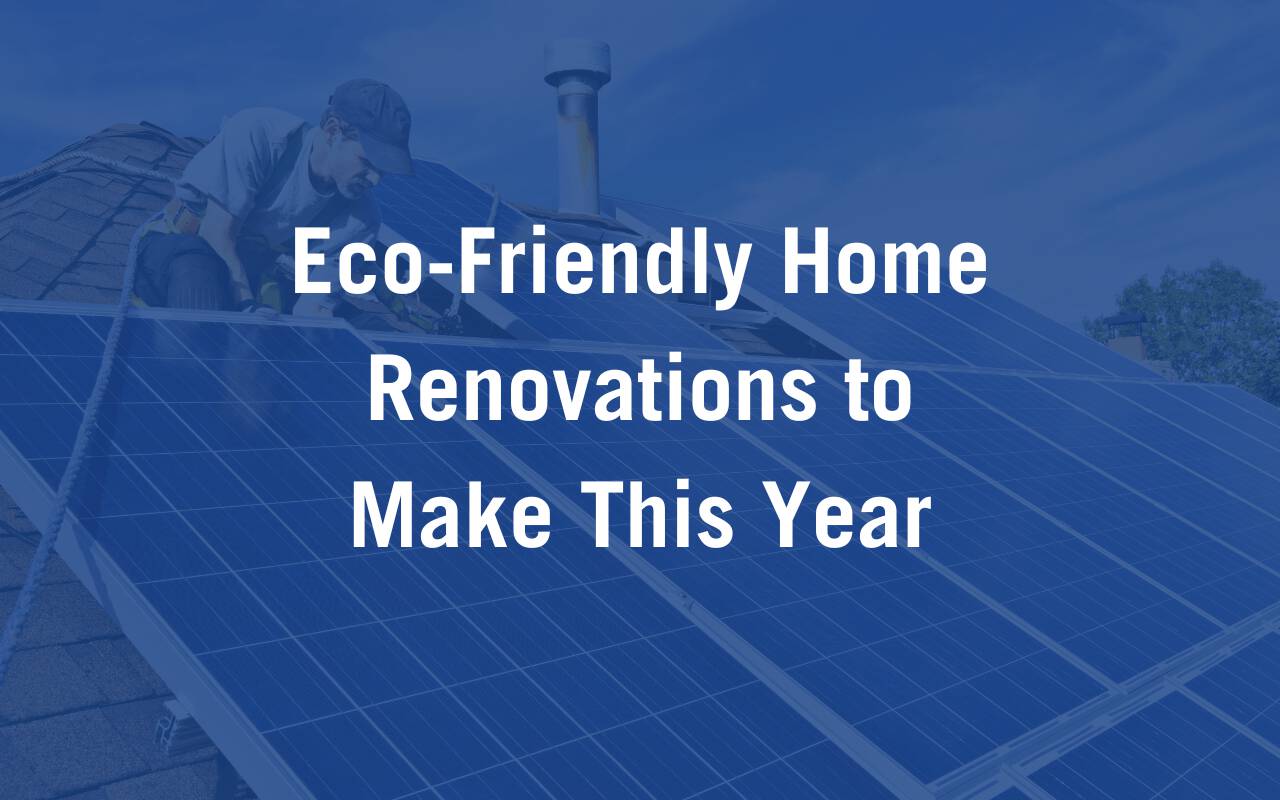
With the New Year just around the corner, it’s a great time to consider eco-friendly home renovations that can improve your home’s energy efficiency and help you save on utility costs.
Sustainable home improvement projects don’t have to be daunting, either. That’s why our team at Minnesota Exteriors Inc. (MEI) has outlined a list of simple and effective ways to ensure your home reaps the benefits of green energy. Backed by decades of home improvement experience, we will guide you toward upgrades that deliver lasting value for your home and the planet.
Benefits of Eco-Friendly Home Renovations
Eco-friendly home renovations are a smart investment for your space in the short and long term. Some of the most notable benefits of a green home renovation include:
- Improved Energy Efficiency: Investing in certain upgrades, such as solar panels, home energy systems, and energy-efficient doors and windows, can reduce your home’s overall energy output.
- Reduced Utility Costs: Energy-efficient upgrades can also lower your home’s utility costs by using less power overall for heating, cooling, and electrical systems.
- Increased Home Comfort: Not only will your home be more energy efficient with a green home renovation, but you and your family will be more comfortable, with reduced drafts and air leaks.
- Positive Environmental Impact: Your eco-friendly house renovations can positively affect the planet. Simple upgrades like replacing your lightbulbs with energy-efficient ones can reduce how much energy the bulbs use by 75%.
- Offers Tax Incentives: Saving energy can save you even more money in the long term, as Minnesota is working to implement a program that will reimburse homeowners for energy-efficient upgrades.
Top Eco-Friendly Home Upgrades to Consider
There are many ways for you to start working towards a more eco-friendly home. This year’s most impactful green home upgrades focus on doing more with less, lowering energy use, reducing utility costs, and increasing long-term home value. Some of the most notable upgrades to consider for your own home include:
Solar Panel Installation
Solar panels reduce your home’s reliance on traditional energy sources. These panels work by converting the energy from the sun’s electromagnetic rays into electricity after it hits the panel’s semiconductor materials. This reduces your home’s electrical bills and improves its overall energy usage.
Even in Minnesota, where the gray skies can sometimes seem to last forever, homeowners can expect to save around $25,000 over 25 years with the power of solar panels.
High-Quality Home Insulation
Having the best-quality home insulation will prevent heat loss in winter and keep your home cooler in summer, reducing utility costs across the board. In fact, the EPA estimates that homeowners can save over 10% of their overall energy costs by having the right insulation.
Common insulation types, such as fiberglass batts, typically do not meet energy-efficiency standards nearly as well as spray foam or cellulose insulation. Insulation is also one of the most cost-effective home upgrades, with projects often ranging from $900 to $1,500 and high long-term savings.
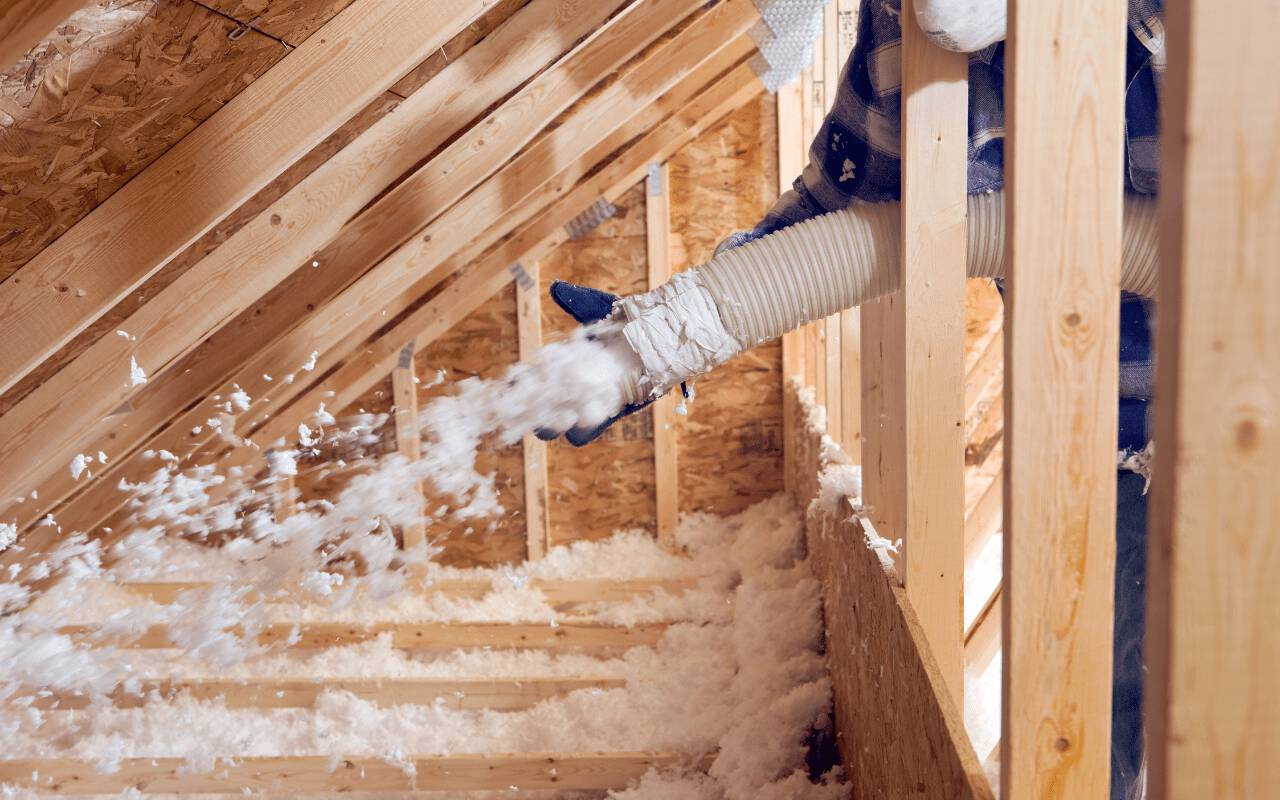
Our expert home insulation installers at MEI can make sure your home is protected and comfortable, year-round.
Seal Air Leaks and Drafts
Air leaks and drafts can easily lead to increased HVAC costs, as they often account for 25-40% of heating and cooling energy use in the entire home. Sealing all air leaks around windows, doors, and attics can improve your home’s energy efficiency while also keeping your family more comfortable.
You don’t have to break the bank to do this, either; simply investing in weatherstripping or caulk and doing it yourself can significantly improve your home’s energy efficiency.
Smart Home Energy Systems
Smart thermostats or energy monitoring systems can optimize your home’s energy use automatically. These devices keep track of the home’s electricity use and temperature. From the convenience of your smartphone, you can control your home’s thermostat, smart appliances, lights, and more, ensuring your home doesn’t use any more energy than it needs to.
By improving efficiency and reducing unnecessary energy use, these systems can lower utility bills while decreasing your overall energy footprint, making them a practical upgrade for both cost savings and sustainability.
Install Low-Flow Fixtures
Low-flow fixtures, such as faucets, toilets, and showerheads, are devices that reduce water usage without compromising performance or comfort. These fixtures often use aerator technology and pressure-compensating valves to deliver a lower overall water flow, saving your home thousands of gallons of water a year. This makes them a simple yet effective way to upgrade to a more sustainable home.
Energy-Efficient Water Heater Replacement
Most water heaters account for 13% of a home’s energy consumption, which is more than cooking and refrigeration combined. Investing in an energy-efficient water heater, like tankless heaters or hybrid models, can significantly lower operating and heating costs while improving performance and extending the system’s lifespan.
Although these systems often require a higher upfront investment, they are a very eco-friendly home upgrade. Their long-term efficiency delivers ongoing energy savings, making them a smart, sustainable choice that pays off over time.
Using Reclaimed and Sustainable Materials
Whether you’re building, remodeling, or making energy-efficient upgrades to your home, using reclaimed or sustainable materials is an imperative part of the process. These materials are already more durable and designed to reduce their environmental impact. meaning they’ll add another layer of eco-friendliness to your home after your renovations. Plus, choosing recycled materials helps reduce waste and keeps valuable resources out of landfills.
Some sustainable materials you might turn to during the remodeling process include:
- Recycled glass, steel, or plastic
- Bamboo
- Cork
- Reclaimed wood
- Natural clay
Energy-Efficient Windows and Doors
Replacing old windows with modern energy-efficient windows and doors plays a huge role in minimizing drafts and improving indoor temperature control by reducing overall heat transfer.
Newer windows offer benefits such as double-paned glass and low-emissivity coatings (which reflect infrared heat), while eco-friendly doors provide proper sealing and a more effective barrier between your home and the outside world.
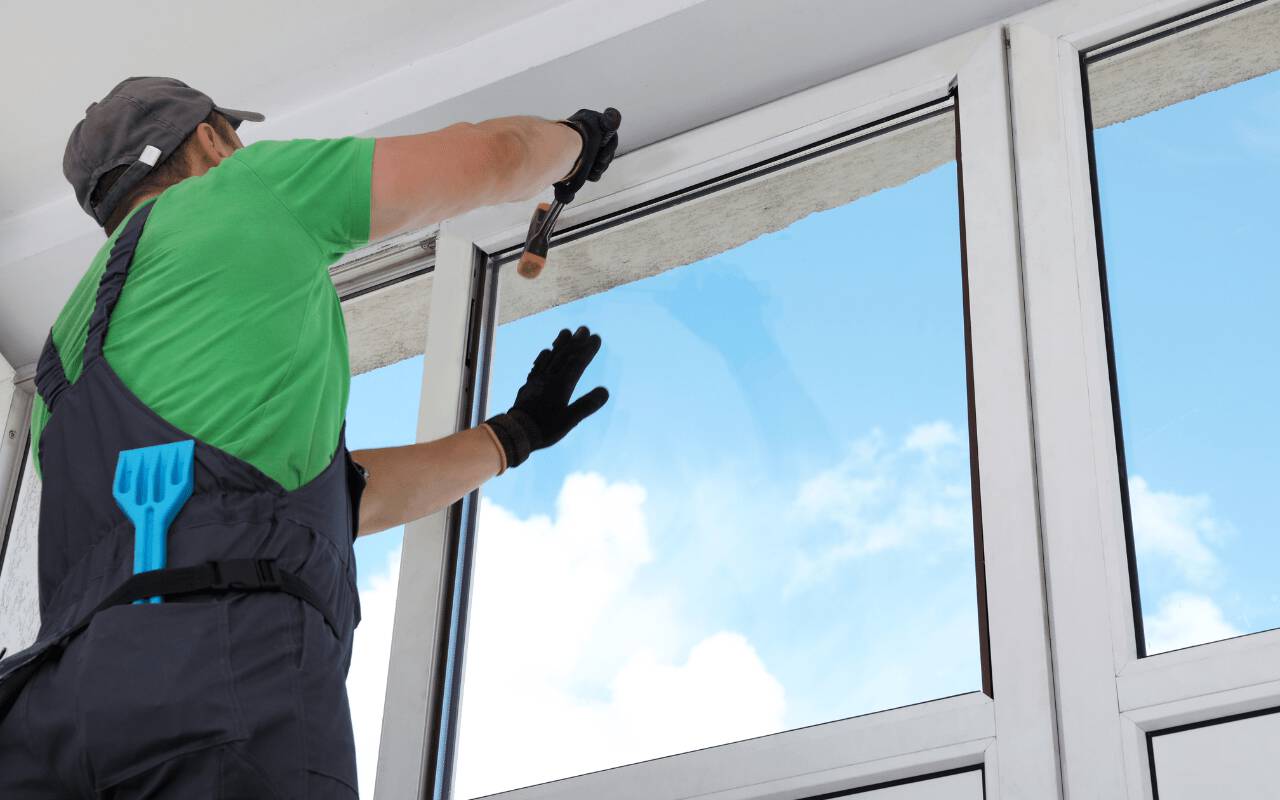
Looking for more information on how energy-efficient doors and windows can protect your home? Our team can answer any questions you have.
Choose ENERGY STAR Certified Products
ENERGY STAR is a government certification that is only administered by the Environmental Protection Agency. Only products and materials that meet the program’s strict energy specifications are allowed to display the logo, meaning that consumers can rely on these products to protect both their homes and the environment.
Products with this certification offer greater energy savings, higher performance standards, and a reduced environmental footprint.
Cost Breakdown for Green Home Renovations
While some of the renovations listed above will cost more than others, homeowners can start small with a few simple DIY options, such as improved sealants around windows and doors, and save for larger home upgrades later. It’s also important to note that costs can vary widely based on factors like home size, material choices, installation complexity, and labor rates. Regardless of the upfront cost, all of these renovations provide reliable long-term savings that often outweigh the initial cost.
Here is a more extensive cost breakdown of popular green home renovation choices:
- Solar Panels: In Minnesota, solar panels cost around $14,500 to install, on average.
- Sealing Air Leaks/Drafts: If you choose to DIY your project, you can expect to spend around $150-300, but for more professional options, costs range from $1,500-$2,000.
- Smart Home Energy Systems: On average, these systems cost around $850 altogether.
- Water Heater Replacement: To replace your home’s water heater with a tankless one, homeowners can expect to pay about $2,500 for materials and installation.
- Energy-Efficient Windows: Eco-friendly windows cost anywhere from $300-$1,000 per window, but those that meet ENERGY STAR certification requirements are often eligible for rebates.
For homeowners who want to make energy-efficient home improvements but are concerned about the upfront costs, Minnesota Exteriors Inc. offers financing options for insulation, window, and door installations.
How to Make Eco-Friendly Renovations
If you’re ready to make eco-friendly home renovations but don’t know where to start, it’s important first to evaluate your home’s current performance. A professional energy audit can identify where heat, air, or water is being wasted and help you focus on the upgrades with the biggest impact. From there, prioritize improvements that deliver long-term savings, such as insulation, energy-efficient windows, or high-efficiency HVAC systems, rather than purely cosmetic changes.
Next, it’s best to look into reputable contractors to ensure the job is done well and that optimal energy savings are achieved. Poor installation can quickly derail many positive environmental impacts. You can work together with your contractor to determine the best path forward for your home’s long-term efficiency goals and budget.
Our team at MEI can guide you through any questions or concerns you may have for your green home improvement projects.
Ask MEI About Our Eco-Friendly Renovation Options
Don’t let confusion about where to start keep you from creating an eco-friendly home. The best home improvement options will protect the environment while also protecting your wallet, and we can steer you in the right direction with our nearly 80 years of experience.
Minnesota Exteriors is a leader in energy-efficient home renovations, providing residential and commercial services. We know the best options for eco-friendly windows, doors, siding, insulation, roofing, and more. Contact our team today to learn more about our renovation options and get a free estimate for your next project.