



When you turn on your HVAC system, you should rest assured that your heating or air conditioning is keeping your home comfortable, not escaping through the roof. Whether it’s hot or cold outdoors, you can keep your home’s temperature stable using the right types of attic insulation. Which insulation is best for your attic? This article will outline the five best types of attic insulation and how to choose them.
Minnesota Exteriors Inc. (MEI) has been helping homeowners with attic insulation for decades. If you need guidance beyond this article, our team is here to help.
Attic Insulation Materials
When you start considering attic insulation, you’ll come across several materials that it’s made from, each offering benefits for energy efficiency, comfort, and cost. Options include fiberglass, cellulose, mineral wool, and foam. Each insulation option varies in R-value, the rating that shows how effectively it resists heat loss. If you’re not sure which type to choose, a professional can help you select the best attic insulation materials for Minnesota’s climate.
Foam Insulation
One type of attic insulation you may want to consider is foam. Foam insulation is made from polyurethane or polystyrene compounds that create a dense, air-resistant barrier. It comes in two forms: spray foam and foam board panels. Spray foam begins as a liquid that expands to seal gaps and block air movement, while foam board consists of rigid panels that offer strong thermal resistance and a solid R-value rating. Both options are durable and provide strong energy performance.
Fiberglass Insulation
Fiberglass attic insulation is another popular option that offers good thermal resistance. This type of insulation in an attic is popular because it is naturally non-combustible and assists with soundproofing. It is also inexpensive compared to some other options. Made of sand and fine recycled glass, this material may be available in many formats, including batts, rolls, or loose fills.
Cellulose Insulation
Cellulose insulation is an eco-friendly option for home attics. Cellulose material is made of recycled newspaper, wood, or cardboard. In its natural state, cellulose insulation may be flammable; however, it is treated with boric acid and other substances before installation to make it safe for homes. Its ability to provide dense, consistent coverage makes it a strong choice for older homes.
Mineral Wool Insulation
Another common attic insulation material is mineral wool. Mineral wool is made from rock that is spun into fibers. Similar to fiberglass, its soundproofing qualities make it a popular choice for homeowners. Mineral wool has a stable R-value that effectively minimizes heat loss, and it also has a high level of fire resistance.
Common Attic Insulation Types
Each type of attic material may come in various forms, including batt, blow-in, spray foam, rigid foam board, or roll. Here is a breakdown of the different attic insulation types and the pros and cons of how they fit into the attic structure and improve energy efficiency.
| Type of Insulation | Materials | R-Value Rating | Typical Price Range |
|---|---|---|---|
| Batt | Fiberglass, mineral wool, cotton | Moderate | $ |
| Roll | Fiberglass, mineral wool | Moderate | $ |
| Blow-in | Cellulose, fiberglass | Moderate to High | $$ |
| Spray Foam | Polyurethane (open or closed cell) | High | $$$$ |
| Rigid Foam Board | Polyiso, EPS, XPS | High | $$$ |
1. Batt Insulation
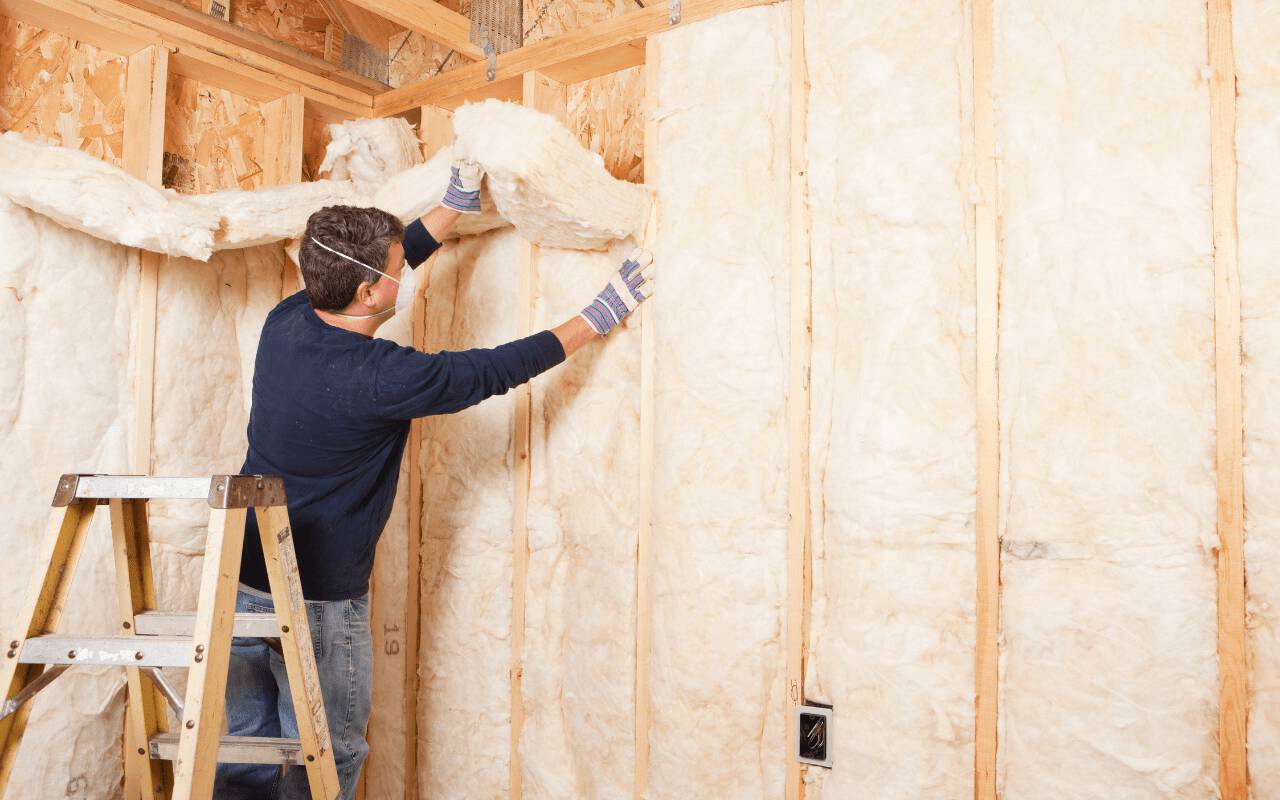
One of the most common types of insulation is batt. This insulation typically resembles a blanket and comes in pre-cut sheets. The sheet is installed between joists, studs, and rafters. Batt can be made of fiberglass, cotton, or mineral wool.
- Pros: Batt insulation is cost-effective, easy to install in unfinished attics, DIY-friendly, and maintains its thickness over time.
- Cons: It is easy to install incorrectly. If installed poorly, it may have gaps that can reduce efficiency and effectiveness.
2. Roll Insulation
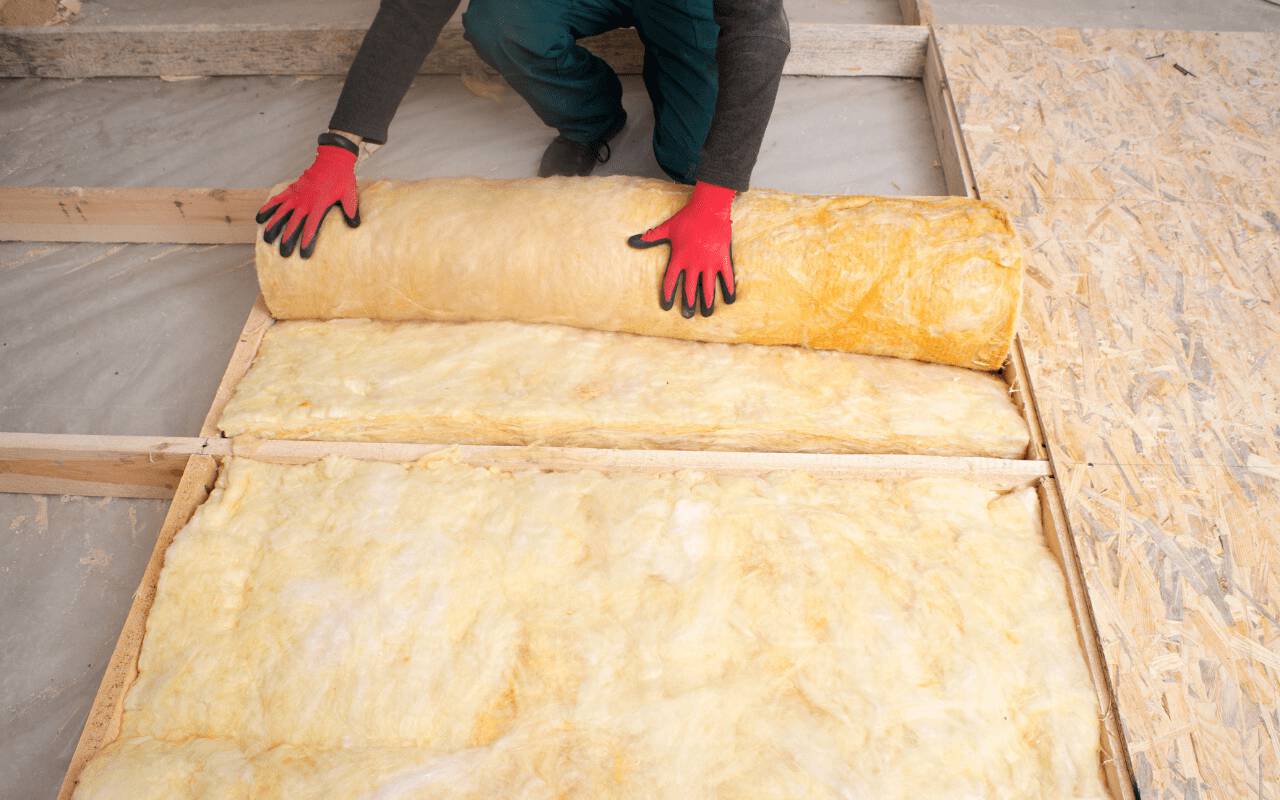
Very similar to batt insulation, this type resembles a blanket. However, instead of pre-cut sheets it is in large, continuous rolls. These rolls are often 20 to 40 feet long and made of fiberglass or mineral wool. This type of insulation placed in large, unobstructed areas of the attic, particularly between the joists and ceiling rafters, creating wide, consistent coverage.
- Pros: Roll insulation is very cost-effective, provides great thermal coverage, and is possible for DIY installers.
- Cons: This material isn’t easy to install around obstructions and isn’t effective unless it has been properly cut.
3. Blow-In Insulation
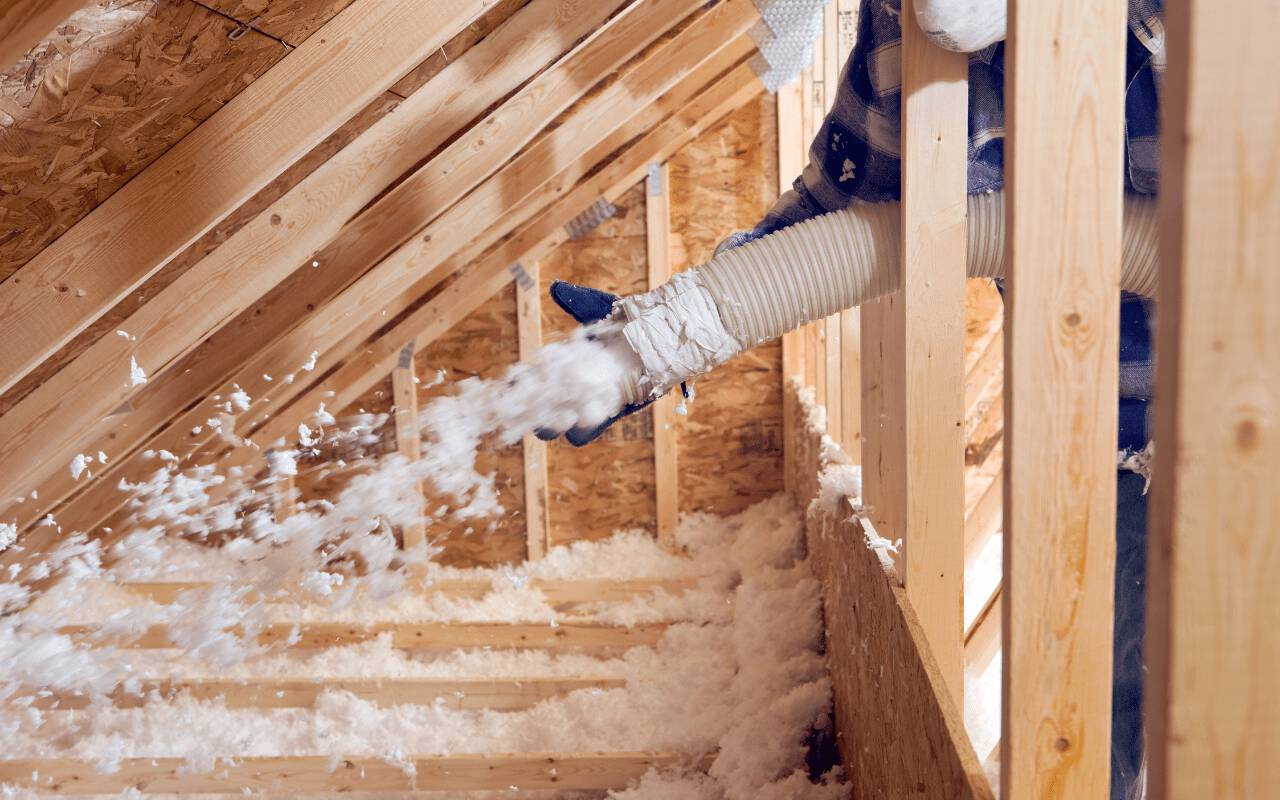
Blow-in insulation is made of loose-fill fiberglass or cellulose materials that are blown into the attic using a blowing machine. Although this type of insulation doesn’t require professional installation, it is best to use professionals, as insufficient air sealing and uneven coverage are common DIY mistakes.
- Pros: Blow-in insulation provides excellent coverage, getting into nooks and crannies that are hard to reach.
- Cons: Blow-in can settle over time and may lose its R-value, reducing its effectiveness. It’s also more difficult to remove than batt.
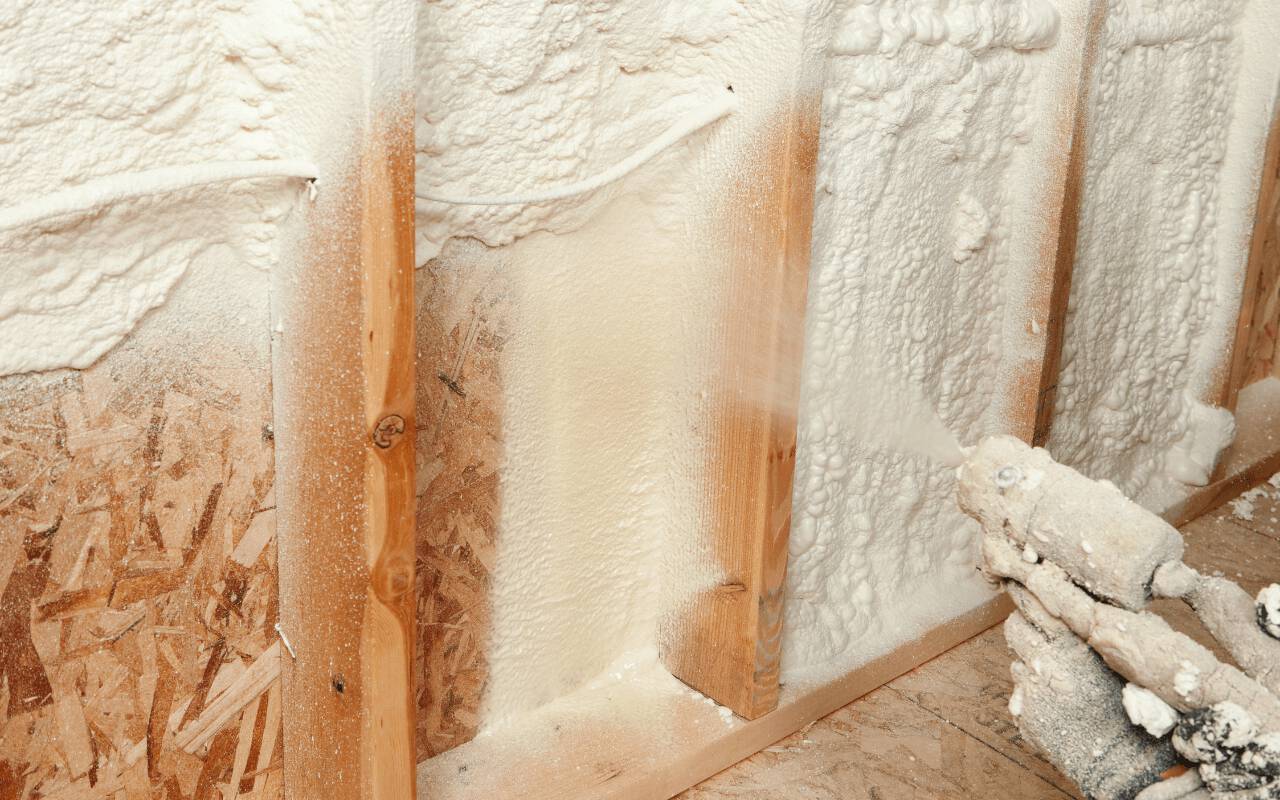
4. Spray Foam Insulation
Like blow-in, spray foam insulation requires specialized machinery to apply it to attic surfaces. However, this is the extent of the similarities. Spray foam is far more effective at sealing out air and maintaining its R-value over time. Also, since this is a highly specialized type of insulation, requiring chemical expertise, commercial-grade rigs, safety equipment, and an advanced level of skill, this isn’t a DIY project.
- Pros: Spray foam insulation typically provides the best coverage and protection, leading to the best energy efficiency.
- Cons: Spray foam is toxic during installation and requires professional installation from an attic insulation company. As a result, spray foam can be more expensive than other options.
5. Rigid Foam Board Insulation
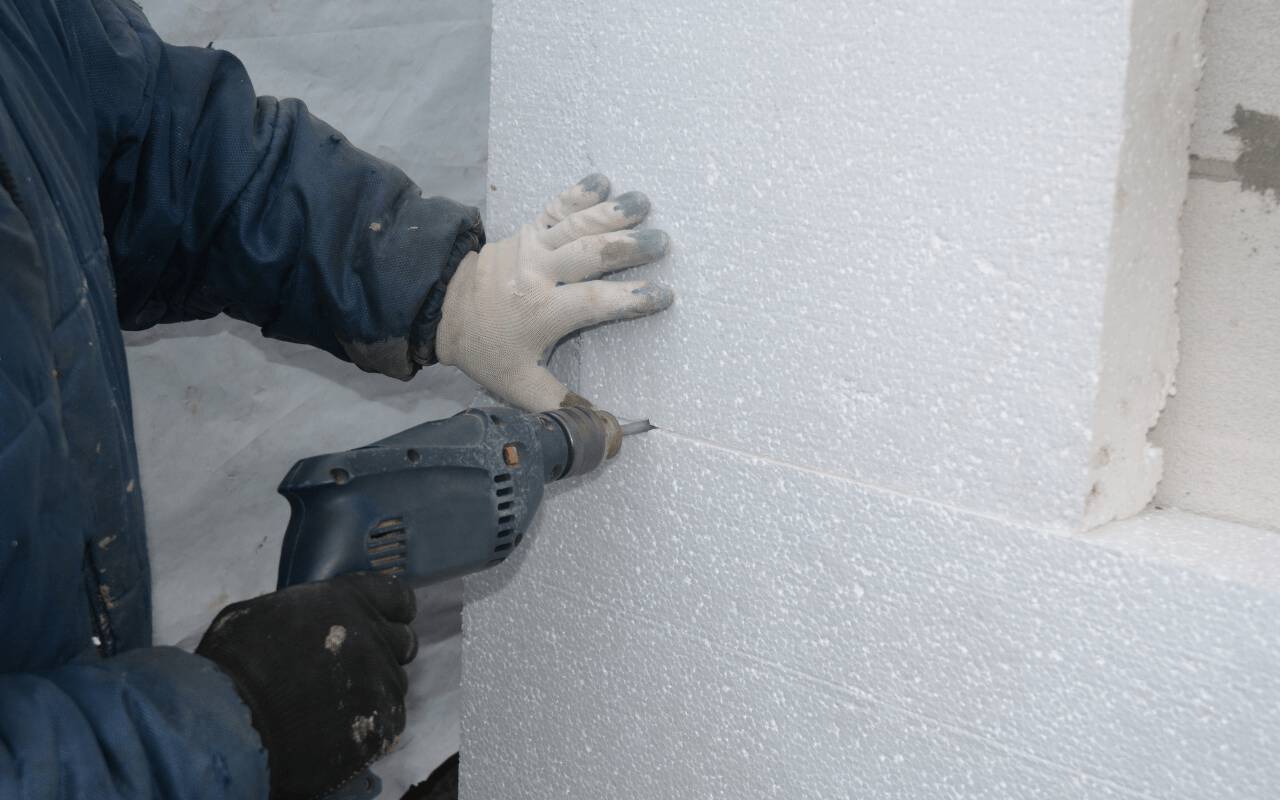
Rigid foam board is a very dense type of insulation made of Polyiso or Expanded Polystyrene (EPS). This type of insulation resists thermal transfer very well and has a high R-Value. Rigid foam board must be cut precisely and fitted into position in the attic to be effective.
- Pros: Rigid foam board has a high R-value, making it very durable and moisture-resistant.
- Cons: This material can be pretty costly. It also may not be as fire-resistant as other options, unless its covered with a fire barrier.
Not sure which option is right for your space? Connect with MEI to get expert guidance tailored to your property’s insulation needs.
How to Choose the Best Insulation Materials for Your Home
Homes in Minnesota can lose significant energy, especially during the harsh, cold winters. This means many homeowners are losing substantial money due to unnecessary energy use caused by a poorly insulated attic. If you’re in the market for insulation, budget, climate, home age, and attic conditions will play a key role in your decision. MEI can help homeowners assess insulation needs and ensure maximum comfort and efficiency.
Ratings and Certifications
One way we help homeowners get the best insulation is by helping them choose products with a high R-value and the Energy Star Label. These factors ensure thermal resistance and product quality for energy savings.
R Ratings
R-value measures thermal resistance. The higher the R-value of insulation, the better it is at combating frigid winters like those in Minnesota, which can dip to -30°F.
Installing insulation in your attic with a high R-value will help make the home’s indoor air more comfortable and improve energy efficiency. It will also reduce the possibility of ice dams. These typically form in winter when attics are improperly insulated and have uneven roof temperatures, which can lead to severe roof damage. Insulation with a higher R-value will not only improve indoor comfort but also help prevent roof damage.
Energy Star
Another criterion to focus on is Energy Star insulation. Products with the Energy Star rating are some of the most energy-efficient insulation you can buy. They ensure superior thermal performance and long-term savings. According to the Environmental Protection Agency (EPA), homeowners may save up to 15 percent on heating and cooling costs by air sealing the home and adding insulation.
Price
Price is a very important factor to consider when shopping for new insulation. It can help to have a general idea of the costs for each type. Spray foam is the more expensive option, potentially costing upwards of $5.00 per square foot. Batts, blown-in cellulose, and fiberglass are the most cost-effective options, ranging between $0.30 and $3.20 per square foot.
However, when deciding on insulation, homeowners shouldn’t focus only on upfront costs. Instead, they should consider long-term savings. For instance, spray foam may be the more expensive option to install, but over the long term, it offers a higher R-value, which means better energy efficiency and lower bills. Attic insulation financing can help ease the cost of installing insulation.
Location
When choosing the best type of insulation, you’ll also want to consider the local climate and attic configuration. Minnesota’s temperatures can get very frigid at certain times of the year, requiring attic insulation with a total R-value of 49 to 60. Open attics may only need batt insulation. However, for superior coverage and to combat heat loss in harsh winters, it is ideal to choose spray foam for an air-tight seal.
Make your home work better for you. Reach out to discuss personalized insulation recommendations with our team.
Attic Insulation FAQs
What is in insulation?
Insulation is typically made of foam, fiberglass, recycled materials, or mineral wool. It is used in places like unfinished attics to reduce heat transfer, slowing down the movement of thermal energy. This helps cool an attic, improving a home’s energy efficiency.
When do you need to replace attic insulation?
You may want to consider replacing attic insulation if you live in an older home. Such homes may have insulation that has lost its R-value over time, requiring replacement to remain effective. Also, if the material is water-damaged, moldy, or contains asbestos, you will need to replace it.
What is the best insulation for attics?
The best insulation depends on your home’s needs and your priorities. For some Minnesota homeowners, blown-in cellulose or loose-fill fiberglass is ideal for combating frigid winters. These types of insulation offer air-tight sealing, keeping the indoor temperatures stable. They also provide soundproofing and superior protection from pests.
Contact Minnesota Exteriors for Professional Attic Insulation Installation
Don’t let the extreme cold winters or hot summers in Minnesota make you uncomfortable or deplete your wallet. The right type of insulation will keep your indoor temperatures stable and help reduce your energy bills.
At MEI, we offer professional installation of fiberglass, spray foam, and cellulose insulation to help you save on heating and cooling costs and provide long-lasting value. We know the best options for delivering air-tight coverage in your attic. Call one of our experts today to start saving with some of our best thermal-resistant products.