



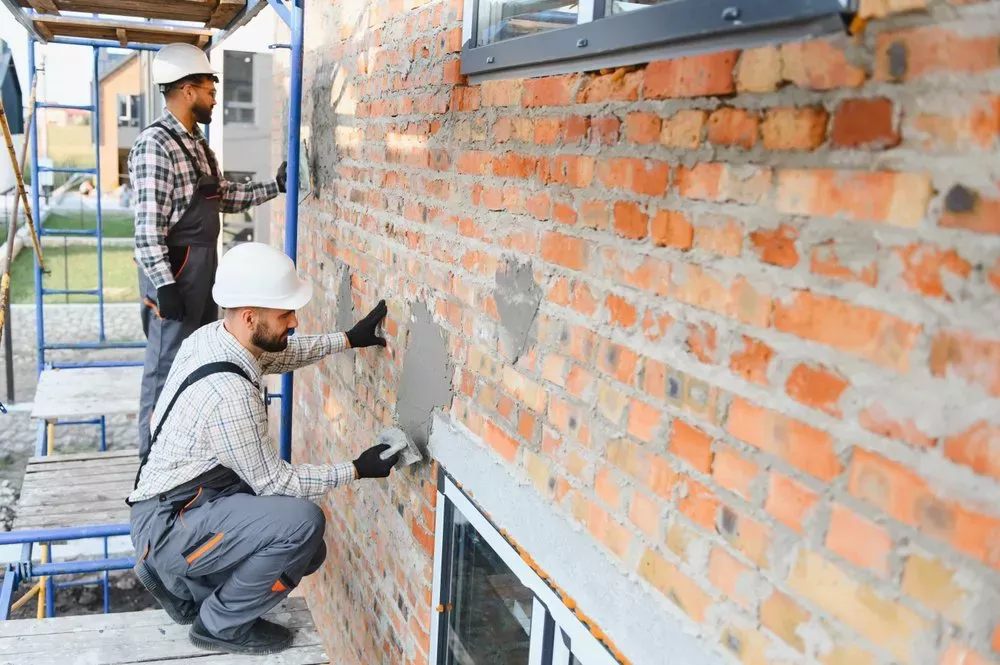
Selecting a qualified siding contractor is an important step in maintaining a home's structural integrity and appearance. Siding serves as a protective barrier against weather exposure while also enhancing energy efficiency and the exterior appearance. Improper installation or low-quality materials can lead to long-term concerns such as moisture intrusion, reduced performance, and increased maintenance needs. Evaluating contractors carefully helps support proper installation and consistent performance over time.
Siding systems must meet both functional and aesthetic requirements. In addition to improving the exterior appearance, properly installed siding helps protect underlying structures from wind, moisture, and temperature changes. Material selection and installation methods directly influence durability and long-term performance. Working with an experienced siding contractor can help ensure that the installation aligns with building standards and project requirements.
This guide outlines key factors to consider when selecting a siding contractor. Reviewing credentials, reputation, experience, and communication practices can help reduce potential risks during the project. Understanding these factors supports more informed decision-making when planning siding improvements.
Essential Steps to Choose a Qualified Siding Contractor
Selecting a siding contractor requires a structured approach that focuses on qualifications, past work, and communication practices. Comparing multiple contractors allows homeowners to evaluate differences in experience, material knowledge, and project execution. This process helps identify professionals who can meet both technical requirements and project expectations. A thorough review of these factors supports more consistent installation outcomes.
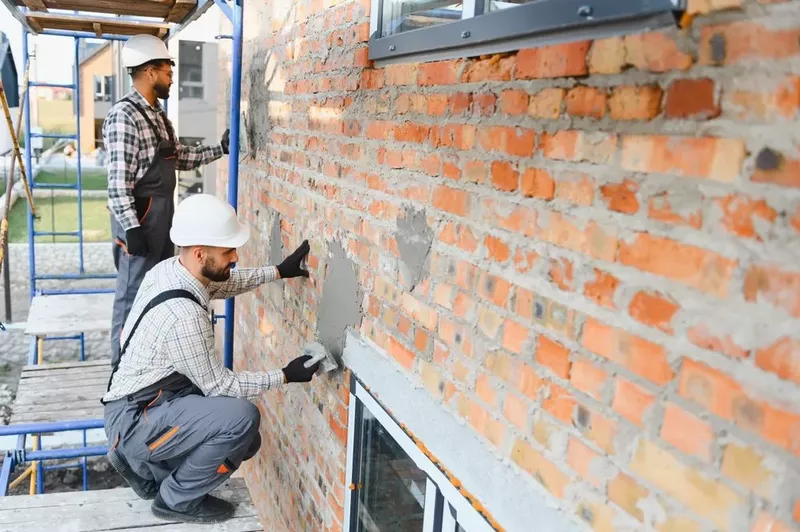
Understanding Credentials
Verifying credentials is an important first step when evaluating a siding contractor. Proper licensing confirms that the contractor meets state requirements and operates within regulatory guidelines. Liability insurance provides protection against property damage or on-site incidents during the project. Certifications from manufacturers or industry organizations may indicate familiarity with specific siding materials and installation methods.
Compliance with local building codes is also necessary for safety and long-term performance. Contractors who follow these standards help ensure that installations meet structural and environmental requirements. Reviewing these qualifications helps establish a baseline level of professionalism and reliability.
Researching the Contractor’s Reputation
A contractor’s reputation can provide useful insight into past performance and customer experiences. Online platforms such as Google Reviews, Yelp, and Angi can provide feedback on workmanship, timelines, and communication. Reviewing a range of feedback helps provide a more balanced understanding of overall performance. Patterns in reviews are often more informative than individual comments.
Personal referrals from homeowners in the area can also provide helpful context. These recommendations often include details that may not be reflected in online platforms. Reviewing a contractor’s portfolio further supports evaluation by showing completed projects and material applications.
Assessing Experience and Material Expertise
Experience is an important factor in siding installation. Different materials, including vinyl, fiber cement, and engineered wood, require specific installation methods. A siding contractor with experience in the selected material is more likely to follow appropriate installation practices. This can help reduce the risk of performance issues over time.
Reviewing previous projects can provide additional insight into workmanship and consistency. Before-and-after examples and documented project details help illustrate how contractors approach different property types. This level of experience supports more predictable project outcomes.
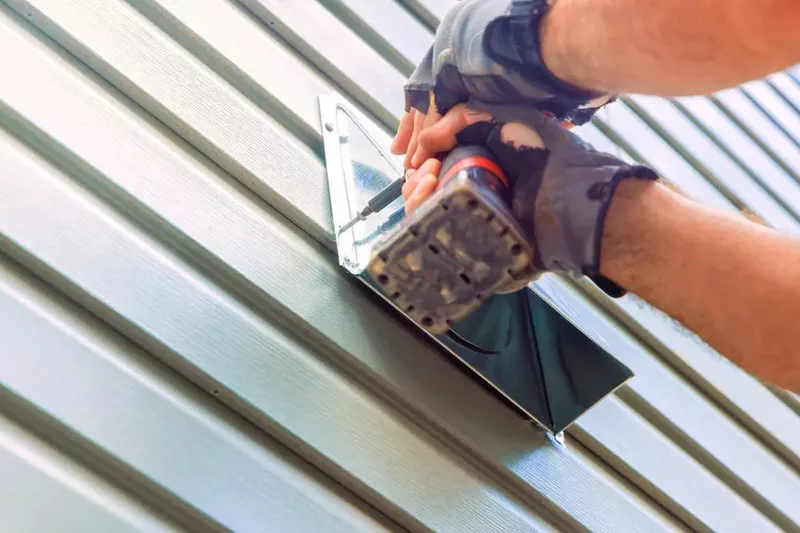
Evaluating Communication and Customer Support
Clear communication is an important part of any siding project. Contractors should provide updates related to timelines, materials, and any changes during installation. Consistent communication helps keep the project aligned with expectations and reduces the likelihood of misunderstandings. Responsiveness is often an indicator of overall project organization.
Post-installation considerations are also relevant when selecting a contractor. Warranty coverage and maintenance guidance contribute to long-term siding performance. Contractors who provide continued support after installation demonstrate a structured approach to project completion.
Final Considerations When Choosing a Siding Contractor
Choosing a siding contractor involves reviewing qualifications, reputation, and experience in a consistent and objective manner. Each of these factors contributes to the overall performance and durability of the siding system. Skipping these steps can increase the likelihood of issues that may affect long-term results. A structured evaluation process supports more reliable outcomes.
Evaluating contractors using consistent criteria helps ensure alignment with project requirements. Taking time to review available options supports more informed decisions and reduces the likelihood of unexpected issues during installation.
Get Started with a Siding Contractor
If you are planning a siding project, reviewing contractor qualifications and experience is an important first step. Minnesota Exteriors provides additional information about siding services and project expectations on its website. You can visit Minnesota Exteriors to request a quote or get more details about your project.