




Aging windows on a commercial building do more than hurt curb appeal. Commercial window replacement addresses drafts, energy loss, and security gaps. These build up over years of exposure to Minnesota's harsh climate. As a result, the decision often comes down to tenant comfort, energy costs, and the building's long-term value for property managers and business owners.
Understanding the process helps property owners plan a project that fits their budget and timeline.
Signs a Commercial Property Needs Window Replacement
Older commercial windows tend to show a consistent set of warning signs. For example, watch for:
- Visible condensation or fogging between glass panes
- Drafts near the frame, even when the window is fully closed
- Rising heating and cooling costs without a clear cause
- Difficulty opening, closing, or locking windows properly
Any one of these signs points to failing seals, weakened frames, or outdated glazing. Additionally, a property with several of these signs across multiple units usually benefits more from a full replacement than from repairs.
How Commercial Window Replacement Improves Energy Efficiency
Windows account for a significant share of heat loss in commercial buildings. This is especially true for older properties built before energy codes tightened. However, modern replacement windows use double or triple-pane glass, improved framing, and better seals to reduce that loss. As a result, the building gets a more stable indoor temperature and lower utility bills.
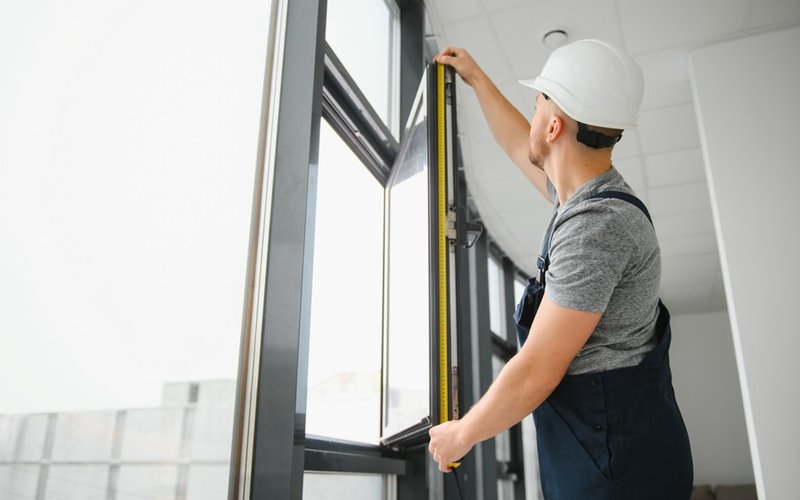
This matters even more for buildings with a mix of tenants. In fact, uneven heating and cooling often traces back to window performance rather than the HVAC system. Therefore, replacing windows building-wide creates a more consistent experience for every tenant.
Multifamily and Mixed-Use Considerations
Multifamily properties bring their own considerations to a window replacement project. For instance, coordinating work across multifamily properties means scheduling around tenant occupancy. It also means managing access to individual units while keeping disruption to a minimum.
It's worth noting that window and door products installed on multifamily properties are residential-grade rather than true commercial-grade or storefront systems. Still, these products perform well for apartment and townhome-style buildings, and they typically run somewhere in the $600 to $1,200 per window range installed. However, they differ from the heavier-duty systems used in retail storefronts or high-traffic spaces, where storefront and curtain wall systems can cost considerably more per unit. Because of this, a contractor should walk through this distinction clearly before work begins.
What the Replacement Process Involves
A commercial window replacement project typically starts with a full assessment of every window on the property, not just the ones showing obvious problems. This helps identify units that are close to failing but haven't shown symptoms yet. As a result, it allows for a more efficient timeline instead of repeat visits over several years.
Next, material selection comes into play. Property owners choose from a range of frame materials and glass packages based on budget, climate performance, and architectural style. In addition, commercial windows and doors paired with proper insulation around the frame make the biggest difference in long-term performance.

Meanwhile, installation on commercial and multifamily buildings requires careful scheduling to limit disruption. Typically, crews work floor by floor or unit by unit. Throughout the project, they coordinate with property management to keep tenants informed.
Insulation and Window Performance Work Together
Windows are only one part of a building's thermal envelope. Even so, high-performance windows lose some value if the surrounding insulation is outdated or improperly installed. For that reason, pairing window replacement with an evaluation of commercial insulation gives property owners a fuller picture of where a building loses energy.
Overall, this combined approach tends to deliver stronger results than tackling windows and insulation as separate projects years apart.
Planning a Commercial Window Replacement Project
Timing matters for commercial window replacement, particularly for multi-tenant buildings. Often, property owners plan projects around lease renewals, seasonal vacancy, or slower business periods. This approach helps minimize the impact on tenants and operations. For example, a Maple Grove window replacement project might follow a different timeline than one in a downtown high-rise with continuous foot traffic.
Cost is one of the biggest factors in that planning. A mid-size multifamily building with 40 to 50 windows might see a total project cost anywhere from $30,000 to $75,000, depending on the products chosen, while a smaller mixed-use property could fall well under that range. Similarly, budget planning should account for the full scope of the project. This includes any insulation work, not just the cost of the windows themselves. Ultimately, a contractor who provides a detailed proposal upfront helps property owners avoid surprises once work is underway.
In the end, commercial window replacement is an investment that pays off through lower energy costs and better tenant satisfaction. It also strengthens a building's envelope for years to come. Minnesota Exteriors works with property managers and business owners to plan replacement projects that fit their building, their tenants, and their budget. Submit a commercial service request today to schedule a free assessment.