



Most homeowners notice their roof and siding long before they think about soffit and fascia. Still, these quiet boards along your roofline protect your home in several important ways. When they fail, water, pests, and cold air can find an easy way inside.
Minnesota weather puts extra stress on the roof edge through snow, ice, and summer storms. A little knowledge helps you spot trouble early and avoid bigger repairs later on. Here is what each part does, why it matters, and when replacement makes sense.
What Soffit and Fascia Actually Do
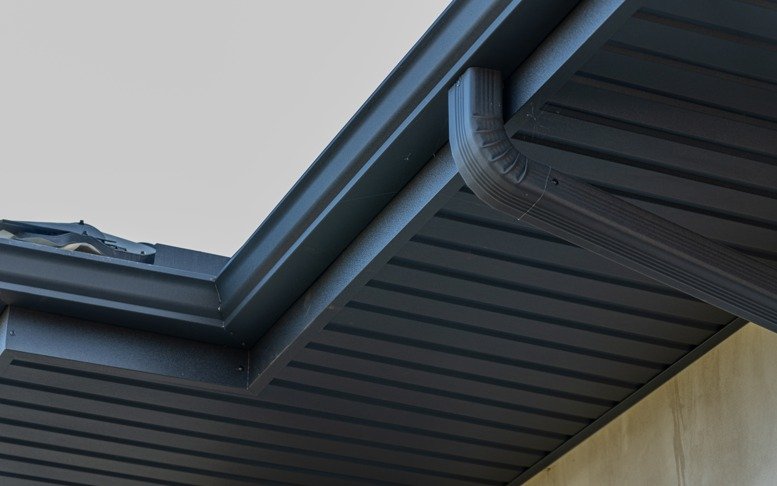
Fascia is the long vertical board that runs along the lower edge of your roof. It caps the ends of the rafters and gives your roofline a clean, finished look. Fascia also anchors your gutters, so it carries a heavy load during wet weather.
Soffit sits underneath the roof overhang, between the fascia and the wall of your home. It closes off the eaves so birds, bats, and insects cannot nest inside. Vented soffit panels also let fresh air flow into the attic from below.
Together, soffit and fascia form a protective seal around the entire roof edge. They keep rain and snowmelt away from the rafters and the top of your walls. Solid fascia also gives professional gutter installation a sturdy base that holds for years.
Without these boards, your roof edge would sit exposed to every passing storm. In short, they work quietly in the background to keep your home dry.
Why These Boards Matter in Minnesota
Minnesota homes face long winters, heavy snow, and frequent freeze and thaw cycles. Each cycle tests the seams along your roofline and pushes moisture into any weak spot. Damaged soffit and fascia let that moisture reach the wood framing and roof deck underneath.
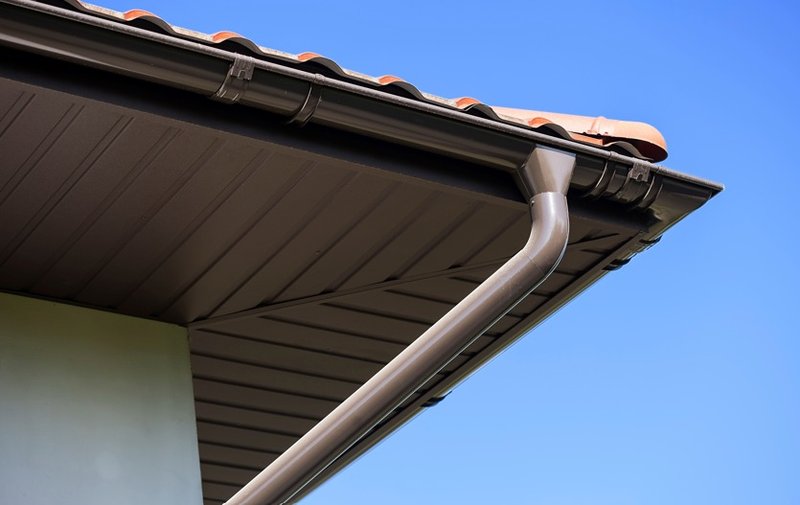
Attic airflow matters just as much in a cold climate like the Twin Cities. Soffit vents pull in cool air, which rises and exits through vents near the peak. As a result, the roof deck stays colder and ice dams struggle to form.
The U.S. Department of Energy notes that baffles keep insulation from blocking soffit vents. Blocked vents trap warm, moist air, which can lead to frost and mold in the attic.
Your insulation choice also affects how well this airflow system works over time. Some attic insulation types need extra clearance near the eaves to keep air moving freely. Healthy soffit and fascia work with good insulation to protect your home all winter.
Common Materials and How They Compare
Soffit and fascia come in several materials, each with its own look and upkeep. The right choice depends on your budget, your style, and how much maintenance you want. Here is a quick look at the options most Twin Cities homeowners consider.
- Aluminum: Aluminum resists rot and rust, and it often wraps over existing wood fascia.
- Vinyl: Vinyl costs less and shrugs off moisture, though it can turn brittle in extreme cold.
- Wood: Wood offers a classic look but needs regular paint or stain to prevent rot.
- Fiber cement: Fiber cement resists fire, pests, and moisture, but it weighs more than others.
- Steel: Steel delivers impressive strength against hail and wind, though it costs more up front.
Many homeowners match their soffit and fascia to the types of siding already on the house. Aluminum remains a popular pick in Minnesota because it holds up well with little upkeep. Meanwhile, wood still suits historic homes where original character and detail matter most.
Warning Signs It Is Time for Repairs
Flaking paint and soft spots along the fascia often signal rot beneath the surface. Press gently on suspicious areas, and if the wood gives, moisture has done damage. Dark streaks or water stains on soffit and fascia point to the same problem.
Gutters that sag or pull away can hint at weak fascia behind them. When the board softens, screws loosen and the whole gutter run starts to droop.
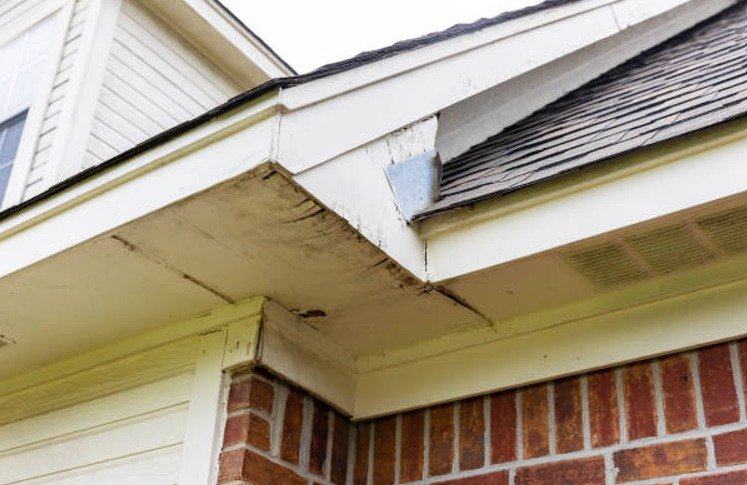
Pests offer another clue, since birds, squirrels, and wasps love gaps in damaged soffit. Droppings, chewed edges, or nests near the eaves mean critters have found a way in. Once inside, they can damage insulation, wiring, and stored items in your attic.
Frost on attic nails or ice dams at the eaves may signal blocked soffit vents. Many older Plymouth homes show these signs after decades of harsh Minnesota winters. If you catch these signs early, a simple repair may solve the problem for years.
When to Replace Soffit and Fascia
Small areas of damage usually call for a patch, a new section, or fresh paint. Widespread rot, however, means the boards can no longer protect your roof edge. At that point, full replacement costs less than a cycle of spot repairs.
Pair the replacement with other exterior projects to stretch your budget a little further. A new roof or siding replacement already puts crews at your roofline with tools ready. New gutters offer another smart moment to replace soffit and fascia as well.
Upgrades also make sense if your current soffit lacks enough vents for proper airflow. Vented panels can solve stubborn attic moisture without major changes to the roof. Many homeowners also swap painted wood for aluminum to cut down on future upkeep.
Fresh boards give your home a crisp outline that boosts its overall appearance. In fact, new trim ranks among the simplest curb appeal ideas for older homes. A professional crew can install everything cleanly so the new boards last for decades.
Protect Your Roofline Before Winter
Soffit and fascia may sit out of sight, yet they guard your home daily. A quick check before winter can catch rot, gaps, and blocked vents early. With healthy boards in place, your roof, gutters, and attic all work better together.
Minnesota Exteriors has cared for Twin Cities rooflines since 1947, from roofs to trim. Our team inspects your soffit and fascia, explains our findings, and recommends the right fix. Get in touch for a free estimate and keep your roofline strong all winter.