



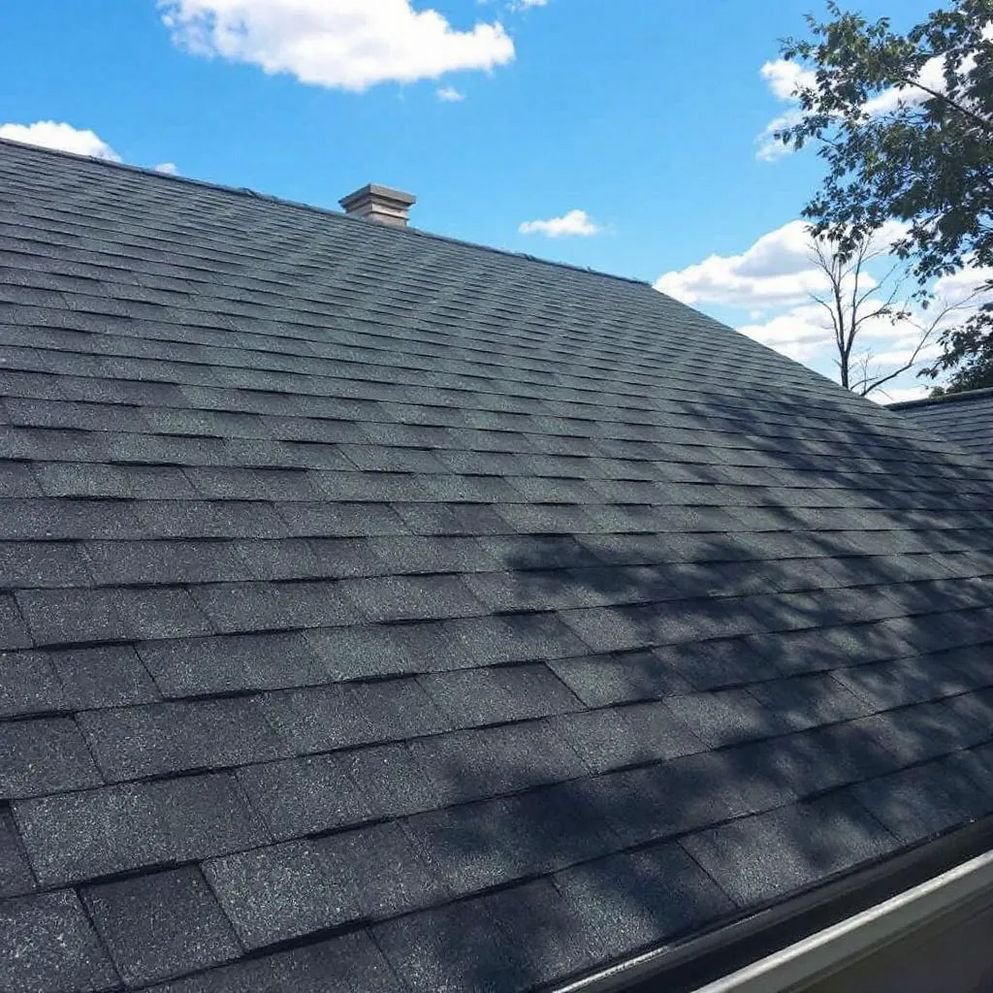
Minnesota weather places significant demands on roofing systems throughout the year, with conditions that consistently test how well different materials perform. Long winters, heavy snow accumulation, strong winds, and seasonal moisture changes all influence durability and overall roof behavior. Roofs must support snow loads, manage ice formation, and maintain structural integrity during temperature shifts. Spring conditions introduce additional moisture from snowmelt, which can challenge drainage and waterproofing systems. These combined conditions help define what qualifies as the best roofing approach for long-term performance in this environment.
Asphalt Shingles: Widely Used and Adaptable
Asphalt shingles remain one of the most widely used roofing materials due to their adaptability and availability. Architectural shingles offer greater thickness and durability than standard 3-tab options, which can be beneficial in colder climates. These systems can perform well under snow load when supported by proper ventilation and installation practices. Protective granules help reduce weather-related wear and UV exposure over time. Performance depends on material quality, installation, and ongoing maintenance.
Metal Roofing: Snow Shedding and Durability
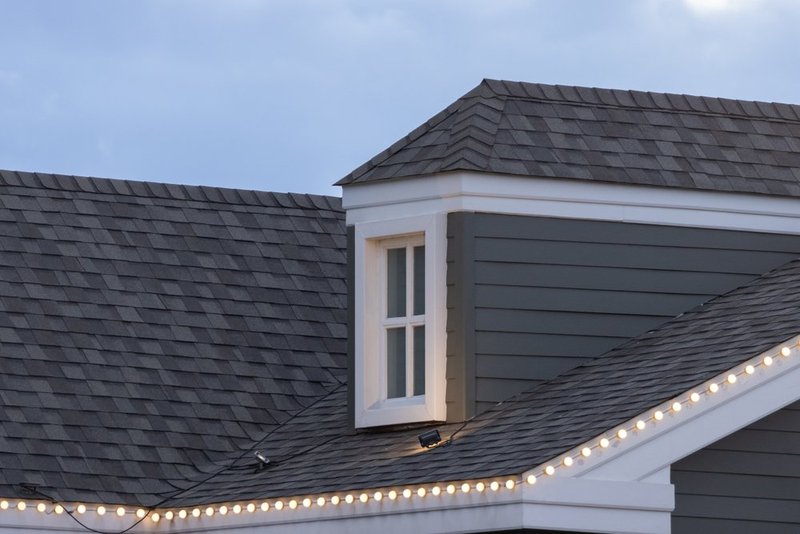
Metal roofing systems are often considered among the best roofing options for cold climates due to their ability to shed snow efficiently. Smooth panel surfaces reduce snow buildup, helping limit structural stress during the winter months. Metal materials resist moisture penetration and do not absorb water, which supports durability during freeze-and-thaw cycles. Expansion and contraction must be managed through proper fastening systems and installation methods. Protective coatings help reduce corrosion and extend service life.
Synthetic and Composite Roofing Materials
Synthetic and composite roofing materials are designed to replicate traditional materials while offering improved resistance to environmental stress. These materials often include engineered components that limit moisture absorption and maintain stability under temperature variation. Composite shingles may offer consistent performance in conditions that involve snow, ice, and seasonal moisture. Impact resistance can also exceed that of some natural materials. Material quality and installation accuracy remain important factors in long-term results.
Wood Shakes and Shingles: Natural but Maintenance-Dependent
Wood roofing systems provide natural insulation and a distinct appearance but require careful maintenance in Minnesota conditions. Exposure to snow and moisture can affect material stability if protective treatments are not maintained. Wood can absorb moisture, which may lead to expansion, warping, or decay over time. Proper ventilation and sealing help support durability, but ongoing inspection is necessary. Suitability depends on maintenance expectations and environmental exposure.
Flat and Low-Slope Roofing Systems
Flat and low-slope roofing systems rely on membrane materials such as TPO, EPDM, or PVC to provide waterproofing. In Minnesota, these systems must handle snow accumulation and slower drainage compared to steeper roof designs. Proper slope design and drainage planning are essential to prevent standing water and excess weight. Insulation and membrane integrity play a central role in performance. Regular maintenance helps ensure that the system continues to function effectively.
Key Factors That Influence Roof Performance
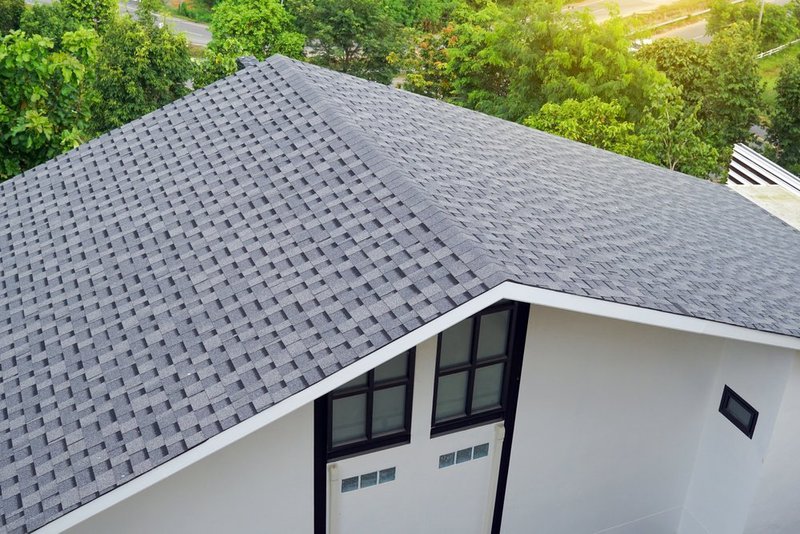
Roofing performance depends on more than material selection alone. Several structural and environmental factors contribute to how well a system performs over time. These elements help determine whether a roofing system aligns with the conditions typically seen in Minnesota.
Important considerations include:
- Roof pitch and its ability to shed snow and water
- Ventilation systems that regulate attic temperature
- Underlayment materials that provide additional moisture protection
- Flashing installation around penetrations and roof edges
Each of these factors contributes to how effectively a roof manages moisture, temperature variation, and structural stress. When these components work together as part of a complete system, they help support long-term durability and consistent performance across different roofing types.
Evaluating Roofing Options for Long-Term Performance
Selecting the best roofing system involves evaluating how materials respond to snow load, moisture exposure, and temperature variation. Each roofing type offers different advantages depending on structural requirements and maintenance expectations. A clear understanding of these characteristics supports more informed decision-making. Regular inspection remains important for maintaining performance, regardless of the material choice. For more information about roofing systems or to explore available options, visit Minnesota Exteriors.