



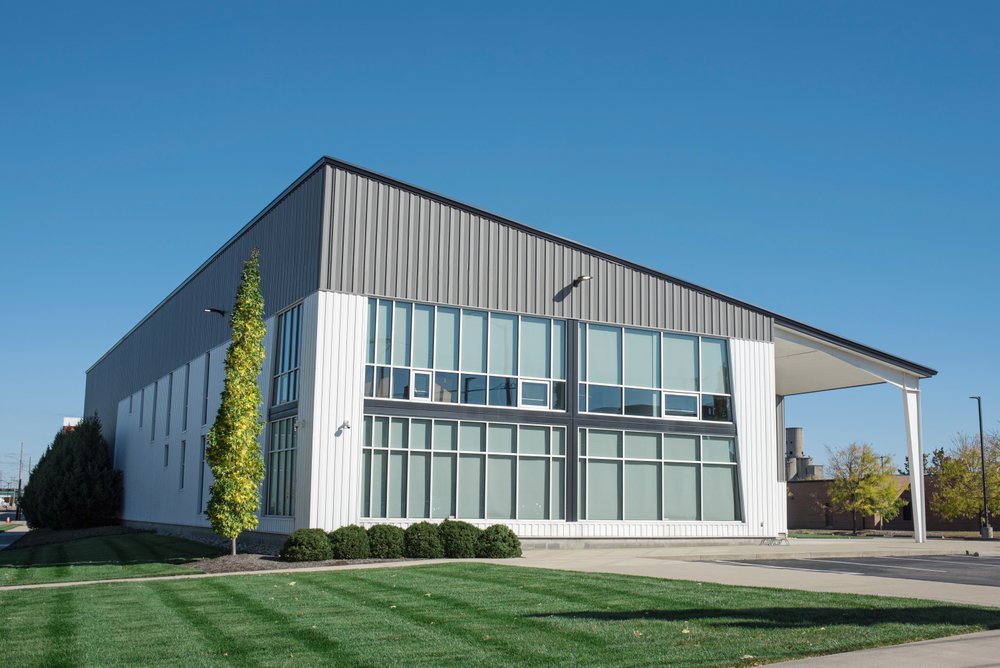
Commercial properties in the Midwest face some of the most grueling weather conditions. Investing in premium commercial siding protects your property from severe environmental threats. This critical upgrade directly reduces your long-term operational costs and maintenance headaches.
Selecting the wrong facade material often leads to rapid deterioration and moisture issues. Consequently, experienced managers prioritize highly durable materials that offer excellent thermal resistance. Understanding these essential options ensures you make a safe and profitable exterior investment.
Which Commercial Siding Material Best Protects Local Business Properties?
Choosing the right facade requires a careful balance between durability and visual appeal. The ideal building cladding must withstand extreme thermal shifts and heavy seasonal storms. Evaluating modern heavy-duty options ensures your physical assets remain safe and completely dry.
How Do Temperature Fluctuations Affect Commercial Siding Performance?
The local climate experiences massive annual temperature shifts that stress building cladding. Therefore, selecting stable materials remains essential to prevent costly warping and buckling. Inferior siding options will expand and contract rapidly, leading to major structural damage.
In contrast, engineered wood and fiber cement handle these thermal movements exceptionally well. Consequently, they maintain their original shape and protective seal through harsh freezing seasons. Property owners regularly choose these advanced materials to avoid frequent and expensive repairs.
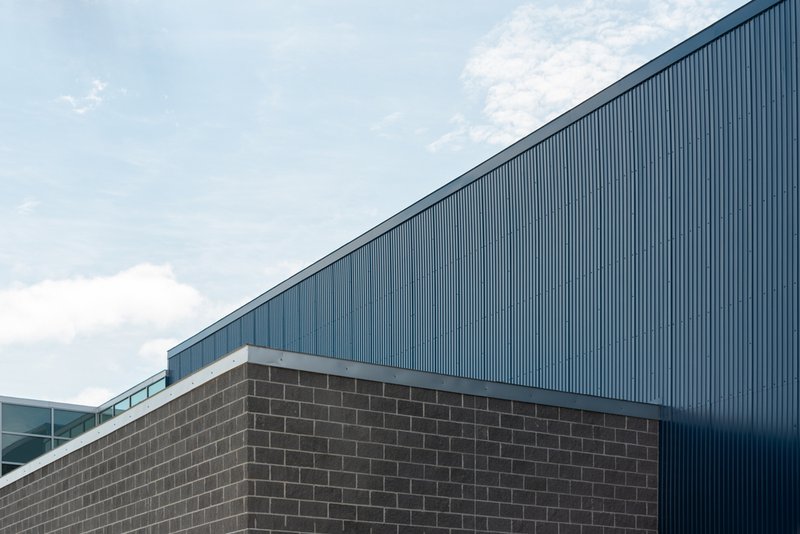
Additionally, professional installation techniques are absolutely vital for managing this ongoing expansion. Experienced contractors always leave precise expansion gaps to accommodate extreme temperature shifts. This preventative measure successfully prevents panels from buckling and preserves your building envelope.
Ultimately, investing in thermally stable products protects your building while lowering energy costs. These durable materials create a tighter exterior seal that effectively stops winter drafts. You can easily address draft issues by identifying the primary causes drafty windows generate.
What Physical Impact Resistance Is Required for local Commercial Siding?
Multi-family housing developments face high levels of daily wear and physical impacts. For instance, wind-blown debris and heavy hail can easily damage weaker exterior cladding. Therefore, choosing impact-resistant materials remains crucial for maintaining long-term property integrity.
- Hail Protection: These resilient materials significantly lower the frequency of expensive hail damage repairs.
- Wind Resistance: Strong wind durability ensures that the panels remain secured during storms.
- Physical Toughness: Tough outer layers easily withstand daily abrasions from active tenants and visitors.
- Lower Premiums: Quality siding materials help commercial property managers secure reduced insurance coverage rates.
- Tenant Satisfaction: Clean and undamaged facades help maintain high occupancy rates and tenant pride.
Furthermore, robust cladding drastically reduces the overall frequency of commercial insurance claims. Property managers feel confident knowing their defensive shield remains completely safe and unbroken. To ensure your assets remain protected, schedule regular checks like professional hoa walkthroughs yearly.
Why Are Moisture Management Systems Crucial Behind Exterior Walls?
The hidden drainage systems behind your exterior walls are vital for moisture control. Humid summers bring heavy condensation that can easily trap moisture inside wall cavities. Thus, a high-quality water barrier is absolutely necessary behind your chosen exterior cladding.
Without proper ventilation planes, trapped water will inevitably lead to severe structural rot. This silent damage eventually compromises your indoor air quality and structural load capacity. Fortunately, modern rainscreen technologies effectively channel water away from the primary wooden framing.
Additionally, selecting highly breathable materials allows internal water vapor to escape safely outdoors. This continuous ventilation actively prevents mold growth and protects residents' health. It also ensures your structural envelope remains dry during heavy, driving summer downpours.
To protect your entire property, you must seal all other potential water entry points. For example, maintaining solid seals around all exterior openings prevents localized water damage. Excessive indoor humidity often manifests as visible condensation on windows during seasonal shifts.
The Long-Term Lifecycle Cost Benefits of Commercial Siding
Many real estate developers focus solely on initial material costs during construction phases. However, cheaper materials often require constant repainting and expensive annual maintenance visits. Therefore, calculating the complete lifetime cost of your cladding investment is highly beneficial.
- Initial Pricing: Low upfront expenses must be balanced against high long-term maintenance cycles.
- Material Longevity: Durable siding options easily outlast standard materials by several productive decades.
- Maintenance Expenses: Fiber cement significantly reduces the labor costs required for seasonal paint jobs.
- Energy Conservation: Advanced insulation properties help lower your building's annual heating and cooling bills.
- Resale Value: Attractive and durable facades help maximize overall property valuation during market sales.
Moreover, durable siding materials can significantly lower your commercial property insurance premiums. Learning exactly how to winterize a house or office building prevents expensive freeze damage. This simple preventative care safeguards your valuable physical assets before winter temperatures plunge.
Achieving Modern Architectural Aesthetics With Advanced Cladding
Modern commercial properties demand sophisticated designs that attract high-paying and reliable tenants. Fortunately, advanced composite materials mimic beautiful natural wood textures with incredible realism. This technical development allows owners to enjoy classic styles without heavy maintenance requirements.
These versatile design options include sleek metal panels and warm wood-look engineered finishes. Architects can mix and match different styles to create unique and striking facades. This aesthetic flexibility elevates your property's overall curb appeal and increases commercial equity.
Furthermore, these engineered products feature highly advanced, fade-resistant UV protection paint coatings. Consequently, your building's exterior will remain vibrant and fresh for many productive decades. This long-lasting beauty ensures your real estate stands out in competitive local markets.
Improving your building's exterior is one of the easiest ways to increase value. Implementing a few simple curb appeal ideas can dramatically transform your property's presentation. These tasteful details make a powerful and lasting first impression on prospective clients.
Defending Your Assets With Premium Building Envelopes
Your building's facade serves as its primary aesthetic impression and its first armor. Choosing high-performance cladding balances commercial-grade durability with designs that attract excellent tenants. Since 1947, Minnesota Exteriors has helped local businesses clad properties in superior materials.
Our multi-generational expertise ensures your project is completed with absolute precision and care. We invite you to contact us today to secure your custom material estimate. Upgrade your property by partnering with Minnesota Exteriors. Call 763-343-7646 or book a Call today.