



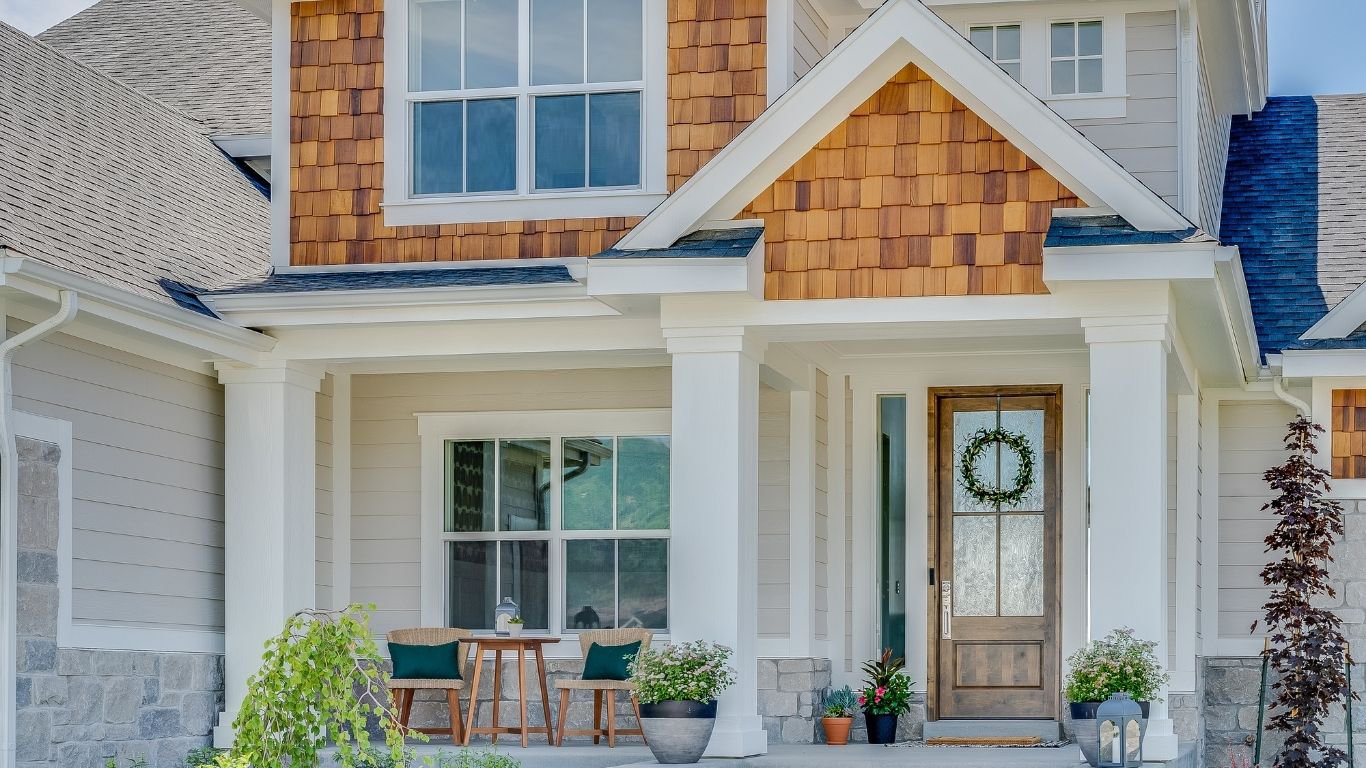
A front door that sticks in October can become a daily problem once Minnesota temperatures drop. Entry door replacement may be worth planning when drafts, frost, or loose hardware keep returning. Starting early gives homeowners time to find the cause and choose a fix without rushing.
A new exterior door must do more than improve curb appeal. The slab, frame, threshold, seals, and hardware all affect how well the entry blocks air and water. Checking the whole doorway helps homeowners fix the source instead of replacing only the most visible part.
Drafts, Sticking, and Frost Are Clues, Not the Whole Diagnosis
Cold air, light around the edges, loose hardware, and frost can point to more than one problem. Worn weatherstripping, a shifted frame, a damaged threshold, poor alignment, or sill moisture may all be involved. Entry door replacement may make sense when several issues appear together and the door no longer seals, locks, or moves as it should.
What an Entry Door Replacement Must Correct Before Winter
A new door should correct more than the draft a homeowner can feel. Entry door replacement should improve the way the doorway handles air, water, alignment, and daily use. Gaps around the frame, a damaged sill, compressed insulation, or loose seals can still cause trouble when the slab looks fine.

The door should close squarely, latch without force, and press evenly against the weatherstripping. Replacing only the slab may leave the problem in place if the frame has shifted or moisture has damaged the threshold. A full evaluation shows which parts need repair and which should be replaced before winter.
The Frame, Threshold, and Hardware Decide Whether the Door Seals
The door relies on several parts each time it opens, closes, and locks. During an entry door replacement, the installer should inspect the frame, sill, seals, and hardware along with the panel. Even a high-quality door may leak or bind when nearby parts are worn or out of alignment.
Important areas to inspect include:
- Frame and jamb alignment
- Threshold and sill condition
- Weatherstripping and door sweep
- Hinges, latch, deadbolt, and strike plate
- Glass panels, sidelights, and transoms
These parts affect comfort, moisture control, security, and daily use. A level frame and adjusted hardware help the door close against the seals without rubbing or leaving gaps. Checking each part during installation gives the new entry a stronger seal for Minnesota winter.
Material Choices That Shape Entry Door Replacement
Door material affects moisture resistance, seasonal movement, daily use, and upkeep. Composite and aluminum-clad systems can also offer choices in color, glass, panel design, and exterior finish. For entry door replacement, the best fit depends on weather exposure, household use, and the style of the home.
Glass, sidelights, and decorative inserts can change privacy, natural light, insulation, and security. Hardware and frame construction matter too because the unit must stay aligned as temperatures shift. Compare the full entry system instead of judging the door slab by appearance alone.
Plan the Installation Window Before Temperatures Drop
Ordering and installation can take longer than homeowners expect, especially when the opening needs custom sizing, decorative glass, sidelights, or a specific finish. Planning an entry door replacement before severe cold arrives leaves enough time for measurements, door product selection, delivery, and repairs around the frame or sill. An earlier start also gives homeowners more flexibility if the chosen door system has a longer lead time.
During installation, crews may need to remove trim, inspect the opening, add insulation, and correct uneven areas before the new unit is secured. They must also adjust the hardware, seal the exterior, and confirm that the door closes firmly against the weatherstripping. Completing those steps before freezing temperatures set in helps protect the opening and reduces the pressure to rush final adjustments.
Details to Confirm Before Entry Door Replacement
Door swing, lock style, glass placement, privacy, and storm-door compatibility should be settled before the product is ordered. An entry door replacement can create daily frustrations if the new unit blocks a light switch, narrows the usable opening, conflicts with an existing storm door, or places hardware at an awkward height.
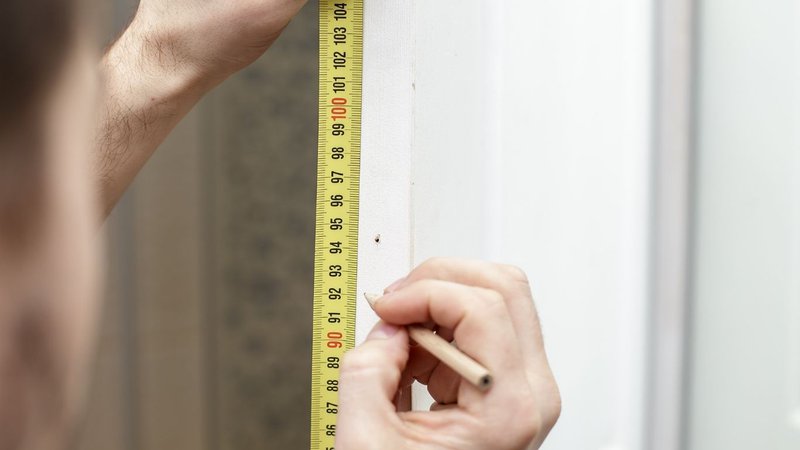
Accurate measurements must also account for sidelights, transoms, exterior trim, flooring height, and any uneven areas around the sill. Documenting these details early helps the installer prepare the opening and reduces the risk of last-minute changes when the new door arrives.
Entry Door Replacement Should Improve More Than Warmth
Winter comfort is important, but a finished entry should also close smoothly, lock securely, shed water, and suit the home’s exterior. A thoughtful entry door replacement brings these needs together rather than solving only the most obvious draft. Homeowners also gain an entryway that feels easier to use each day and better prepared for changing Minnesota weather.
A properly fitted entry system should correct the weak points around the frame, threshold, seals, and hardware rather than replace only the visible door. Minnesota Exteriors can evaluate the full opening and recommend a door system suited to the home’s style, daily use, and winter exposure. Call today to have your entryway evaluated before cold weather arrives.