



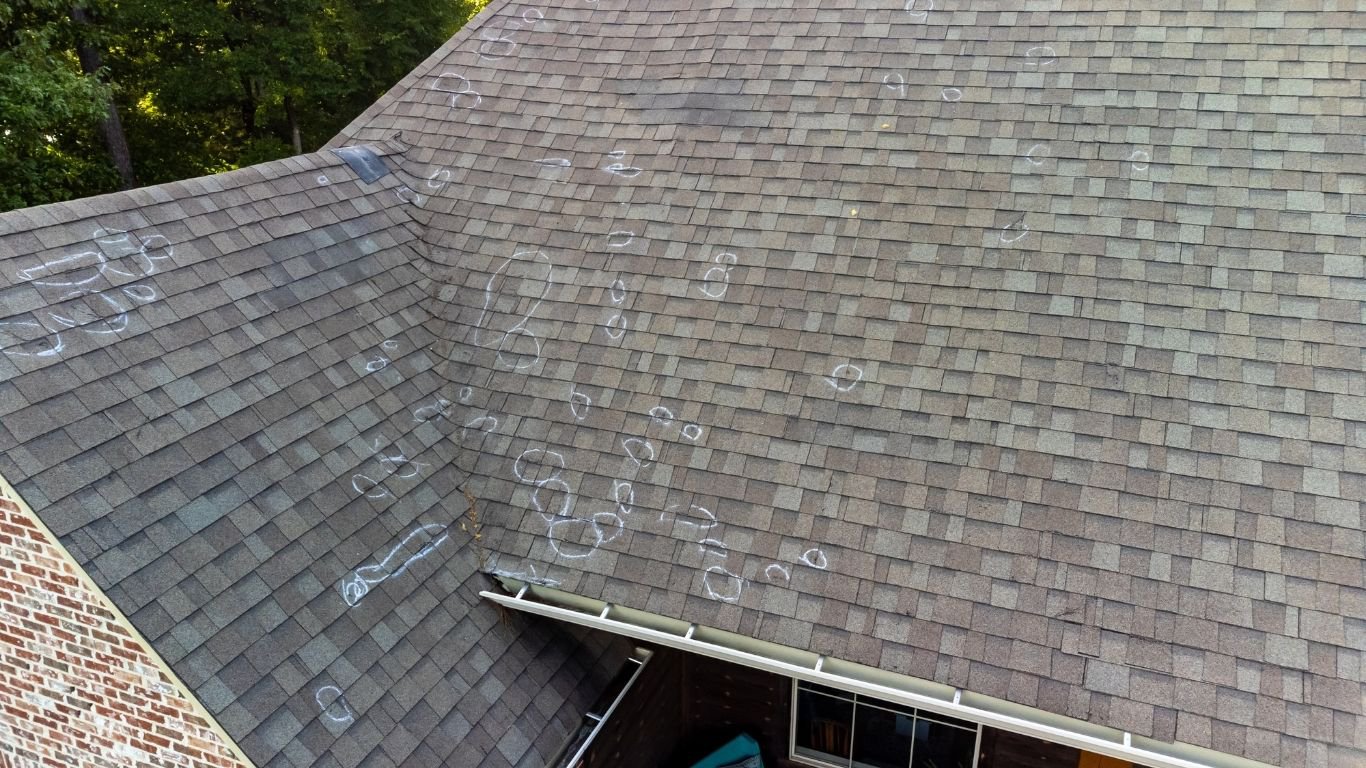
A repair can solve one isolated problem. When leaks or shingle damage keep appearing in new areas, they may be signs you need a new roof.
The decision becomes clearer when repair costs rise and moisture reaches the attic or decking. Looking at the full pattern helps homeowners avoid paying for patches that may fail again soon.
One Damaged Area Is Different From a Failing System
A few missing shingles or one failed flashing detail may still be repairable when nearby materials remain sound. Replacement becomes more likely when damage reaches several roof planes, moisture returns after service, or the decking weakens. The key question is whether another repair can solve the problem or only delay the same decision.
1. Repeated Repairs May Be Signs You Need a New Roof
One successful repair does not point to replacement. Concern grows when leaks, loose shingles, or flashing failures return in different areas. Repeated service calls may be signs you need a new roof because the system no longer forms a dependable barrier.
Timing matters as much as the repair count. Several problems within a short period can show that the roof may be nearing replacement. Another patch may stop today’s leak without preventing the next one.
2. Problems Keep Moving Beyond the Original Repair Area
A repair is easier to justify when the trouble stays within one clearly defined area. Problems on separate slopes, valleys, or roof edges may become signs you need a new roof because the damage is no longer confined to the original repair zone.
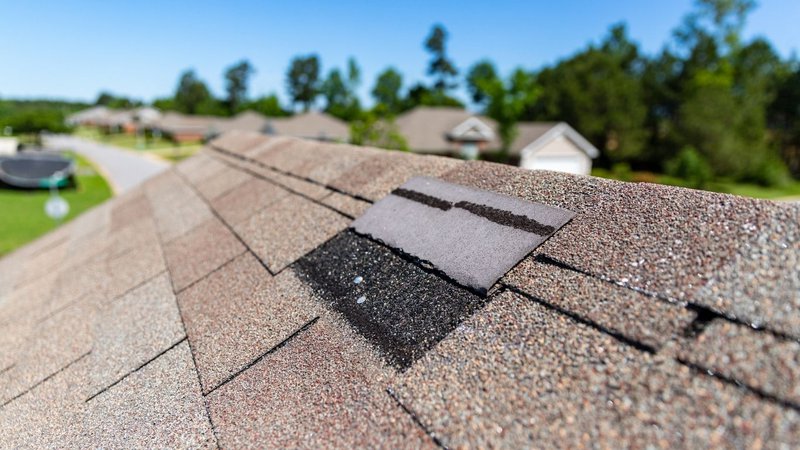
A new issue far from the first repair may point to several weak areas or more than one water-entry path. Addressing each location separately can leave homeowners chasing the next failure instead of resolving the larger problem.
3. Interior Moisture Returns After the Repair
A repaired leak should stay dry. Recurring stains, damp insulation, or musty attic odors may point to several possible causes of roof leaks, not just one failed area. Those recurring symptoms can be signs you need a new roof when earlier service cannot isolate the source.
Water can damage decking, fasteners, insulation, and interior finishes before a ceiling stain appears. Several entry paths make a localized repair less dependable. At that point, the broader roofing system needs a closer review.
4. Repair Costs Stop Buying Meaningful Time
Another repair may cost less upfront. The math changes when service calls become frequent or several areas need work at once. Short-lived repairs can be signs you need a new roof rather than another patch. Common warning patterns include:
- Repairs are becoming more frequent.
- Several sections need attention.
- New problems appear after storms.
- Costs continue to rise.
- Matching materials are difficult to find.
No single item settles the decision. Several together can show that repair money is buying less time. Homeowners can weigh the cost and expected life of another repair against replacement before paying for the next fix.
5. Widespread Material Failure Can Be Signs You Need a New Roof
A few damaged shingles may still be replaceable. Widespread cracking, curling, exposed matting, or heavy granule loss can be stronger signs you need a new roof. Once many shingles lose their protective surface, spot repairs may not restore reliable coverage.
Older shingles may also lose the seal that helps them resist wind. Brittle edges can crack during repairs, and new pieces may not bond well beside aged materials. At that point, the issue affects weather protection, not just appearance.
6. Structural or Decking Problems Raise the Stakes
Soft decking, sagging areas, or repeated moisture damage can turn a surface issue into a structural concern. These conditions may be signs you need a new roof because new shingles cannot restore a weakened base.
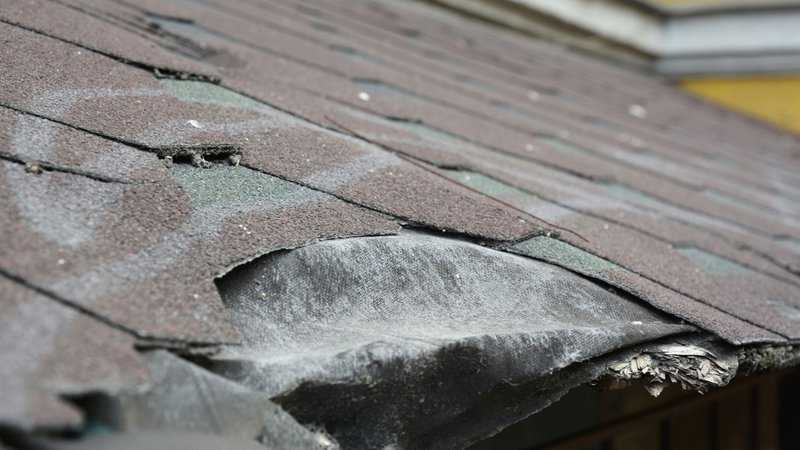
A professional roof inspection may reveal movement, staining, rot, or failed fasteners below the surface. When damage affects several sections, replacement gives crews access to weakened decking and other hidden materials. They can repair the base before installing the new roofing system.
Confirm the Signs You Need a New Roof Before Approving More Repairs
A replacement decision should reflect the condition of the entire system, not the frustration of one leak or one difficult season. The signs you need a new roof become more convincing when recurring moisture, widespread material failure, structural concerns, and rising repair costs appear together. A thorough evaluation can show whether targeted work still offers dependable value or replacement makes more sense.
A documented assessment from Minnesota Exteriors can compare repairable areas with sections likely to keep failing. Request a repair-versus-replacement assessment today before putting more money into another temporary fix.