



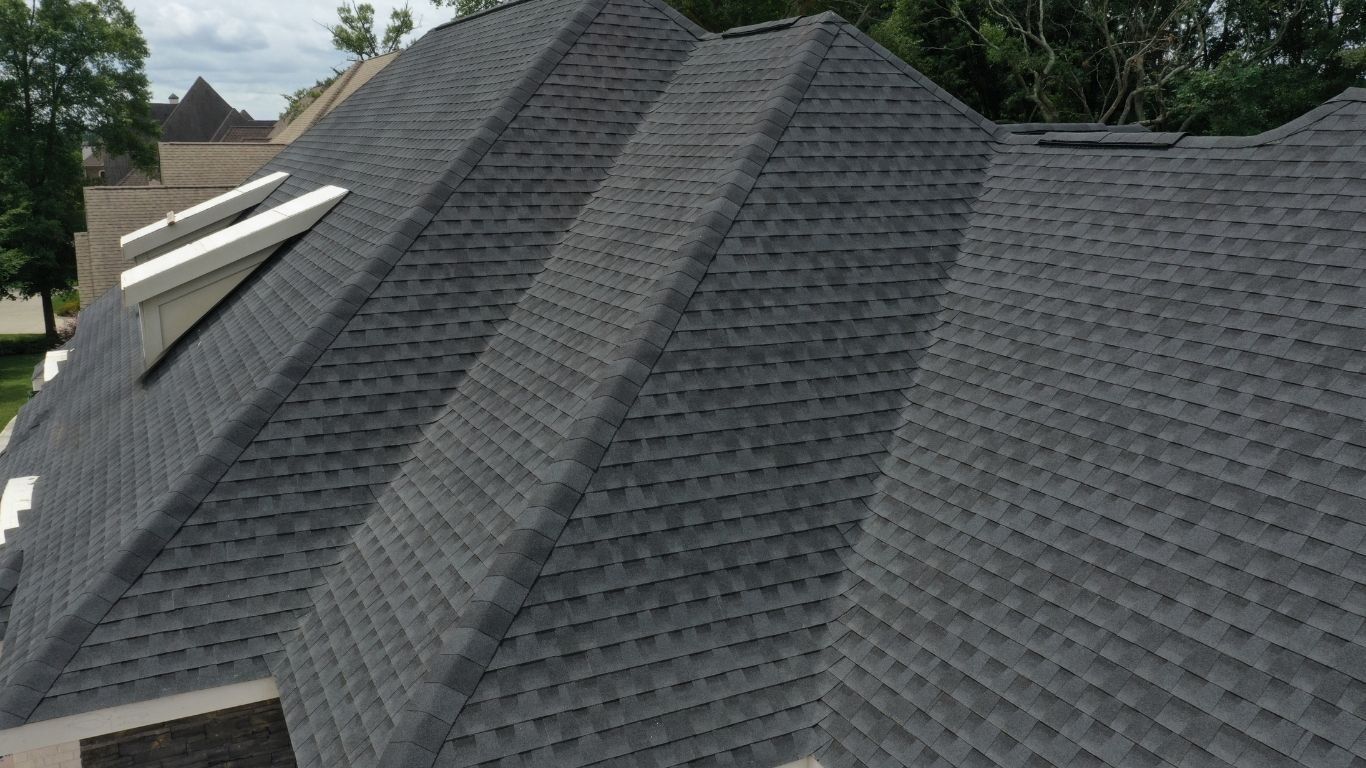
Shingle samples can look surprisingly similar on a display board. Across a full roof, differences in thickness, texture, shadow lines, and overall profile become much easier to see. Comparing the types of shingles available helps homeowners look beyond color and understand how each option may suit the house.
The roof’s slope, exposure, architecture, and maintenance needs should guide the decision alongside appearance. Budget matters too, but the lowest upfront price may not provide the look or performance the homeowner expects. A thoughtful comparison can narrow the choices before product names and color selections start to feel overwhelming.
Let the Home Narrow the Options
A shingle should complement the home’s design while meeting the demands of the roof itself. Steep slopes, shaded areas, complex valleys, and strong weather exposure can change which materials deserve closer consideration. Those conditions create a better starting point than appearance alone.
Asphalt Types of Shingles: Three-Tab, Architectural, and Luxury
Three-tab shingles create a flat, uniform roofline and often carry the lowest upfront cost within the asphalt category. Architectural shingles use layered construction to add thickness, shadow, and a more dimensional appearance. Luxury shingles take that profile further by recreating some of the depth associated with slate or wood.
Among the types of shingles available, these three asphalt options can differ in wind resistance, expected service life, warranty coverage, and installed price. Architectural roof shingles often balance appearance and performance for many homes, while luxury options suit projects where roof texture plays a larger role in the exterior design. Compare the specific product line rather than assuming every shingle within one category performs the same way.
Impact-Resistant Shingles Address More Than Surface Damage
Impact-resistant shingles use reinforced materials or modified construction to better withstand contact from hail and wind-driven debris. These types of shingles may reduce visible bruising, cracking, and granule loss, but no rating makes a roof immune to storm damage.
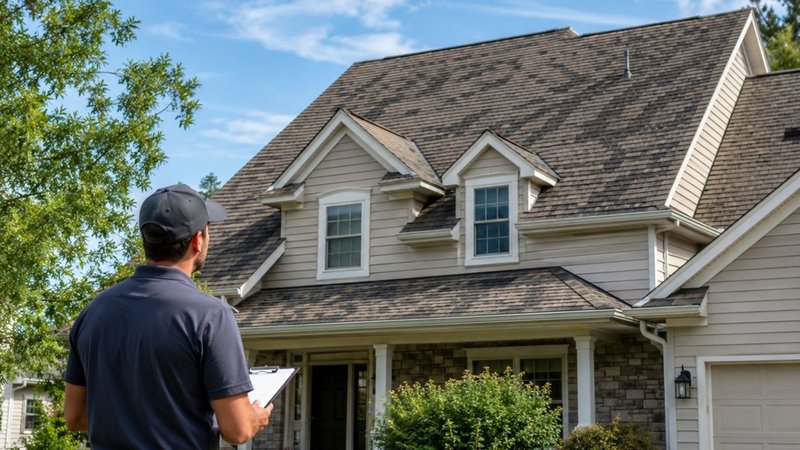
Roof pitch, installation quality, hail size, and storm intensity still affect how the system performs. Review the product’s impact classification and warranty terms, then ask the insurer whether the rating affects coverage or premiums.
Composite Types of Shingles Recreate Premium Materials
Composite shingles can mimic the shape and texture of slate, cedar, or other high-end roofing materials without using the original material itself. Manufacturers may combine polymers, recycled content, mineral fillers, or other components to create a lighter and more uniform product.
These types of shingles can offer detailed profiles, varied color blends, and lower upkeep than some natural materials. Their lighter weight may also reduce structural concerns on homes that were not designed to support genuine slate.
Product quality can vary widely across the composite category. Compare impact ratings, fade resistance, warranty terms, installation requirements, and local availability before choosing a specific line.
Natural-Look Shingles Require More Site-Specific Planning
Wood shingles and cedar roofing options can bring warmth, texture, and a handcrafted look to the roof. When comparing types of shingles, pay close attention to how natural materials respond to shade, moisture exposure, ventilation, and nearby tree cover. Local building or fire requirements may also affect whether a particular product is suitable.
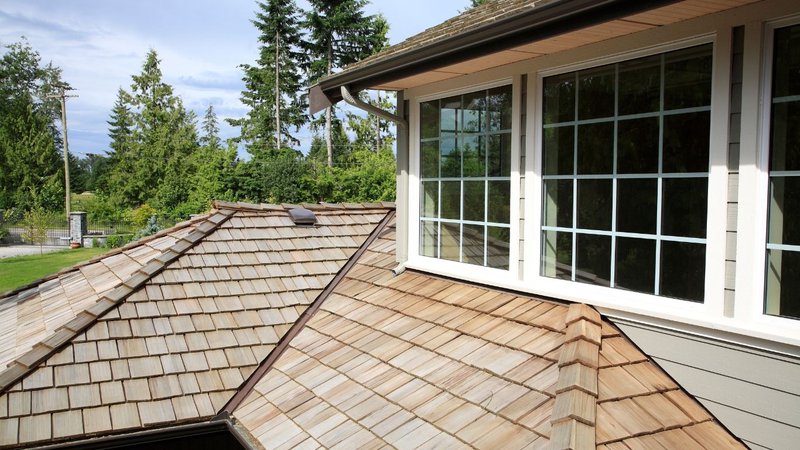
Maintenance expectations should be clear before installation begins. Natural materials may weather, change color, or require more frequent inspection than asphalt or composite products. The home’s architecture, surrounding landscape, and long-term upkeep plan should all support the choice.
Compare Types of Shingles Against the Demands of the Home
Two products with similar colors can place very different demands on a roof because pitch and design complexity affect installation requirements. Compare types of shingles by checking how each option fits the home’s structure, exposure, and long-term ownership plan. Use these factors to narrow the field:
- Roof pitch and valley complexity
- Hail, wind, sun, and shade exposure
- Product weight and deck condition
- Maintenance expectations
- Warranty and installer requirements
- Budget, availability, and future plans
These details can eliminate products that look appealing but create unnecessary cost or upkeep. The remaining options should balance appearance with what the roof can support and what the homeowner wants to maintain.
Narrow the Shingle Choice Before Finalizing the Roof
The final comparison should reduce an overwhelming catalog to a small group of products suited to the house. The types of shingles still under consideration should fit the roof design, local exposure, desired appearance, and level of upkeep the homeowner is comfortable with. Viewing real samples beside the siding, trim, and surrounding landscape can make the differences easier to judge.
A home-specific consultation can turn broad preferences into a focused set of products. Book a shingle-selection appointment with Minnesota Exteriors to compare materials that fit your roof, budget, and maintenance priorities.